
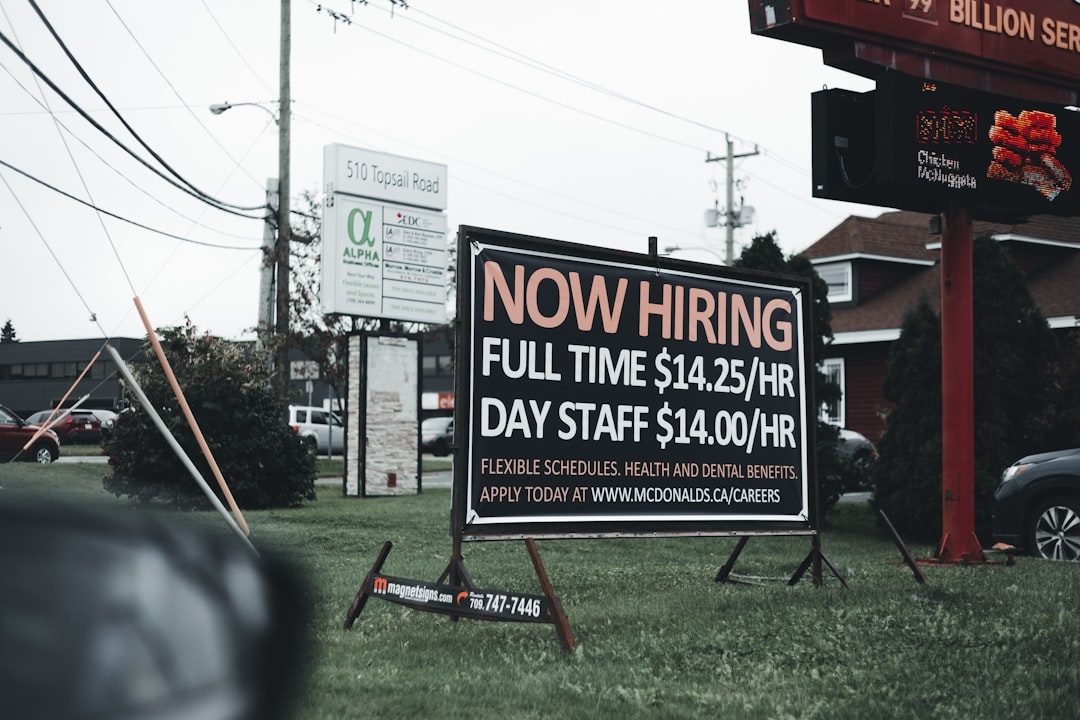
Many believe that artificial intelligence (AI) is simply a flashy, overhyped buzzword with limited practical impact. However, in the job search arena, AI is rapidly redefining how candidates and employers find each other. Indeed’s Chief Revenue Officer, Maggie Hulce, offers a no-nonsense perspective on how AI is evolving recruitment and talent acquisition—not through theoretical promises but real-world applications.
Understanding AI’s role in job search is important because it addresses both the problems faced by job seekers overwhelmed by options and employers struggling to identify the right talent quickly. Rather than replacing human judgment, AI is becoming a complementary tool that enhances the entire hiring process with smarter insights.
What Does AI Actually Do in Job Search?
At its core, Indeed uses AI algorithms to improve matching between job seekers and employers. But how does this work in practice? AI analyzes vast amounts of data: job descriptions, candidate resumes, hiring preferences, and even market trends. Using this, it predicts which candidates are most likely to succeed in a role.
Natural Language Processing (NLP) is a key technical term here. It enables AI to "read" and understand text like resumes and job ads, going beyond simple keyword matching to grasp the underlying meaning. This helps avoid irrelevant matches that frustrate users.
One concrete example: Instead of showing you every job with the word “manager,” AI identifies whether your experience and skills align better with a project manager role or a store manager position, improving relevance.
When Should You Trust AI in Recruiting?
AI shines best when dealing with massive data sets that humans cannot process efficiently. For instance, if a hiring manager receives 1,000 applications, AI can quickly sift through to highlight the top 5-10 candidates, saving weeks of initial screening. This speeds up recruiting and reduces unconscious biases during the first round.
Another example is AI-driven resume ranking. Instead of relying solely on human preference, AI evaluates objective indicators like skills match, years of experience, and industry fit. This provides a more consistent baseline for initial selections.
AI can also help job seekers by recommending roles they might not have considered, based on hidden patterns in their career history. One user found AI suggested a position in a related industry that turned out to be their ideal next step, which traditional search methods missed.
Where Does AI Fall Short in Job Search?
Despite its strengths, AI is not a silver bullet. It struggles with nuances like soft skills, cultural fit, and motivation—factors critical for long-term success but hard to quantify. Overreliance on AI can lead to overlooking great candidates who don’t fit the typical patterns.
For example, some early AI implementations failed by filtering out non-traditional candidates or those with gaps in employment, as these patterns didn’t match training data, unintentionally reinforcing biases.
It’s also important to remember that AI recommendations are only as good as the data fed into them. Poorly written job descriptions or outdated resume formats can mislead AI, lowering match quality.
Are There Alternatives to AI in Recruitment?
Many organizations still rely heavily on manual recruiting or keyword-based searches. While these methods work for smaller applicant pools, they don’t scale efficiently and can delay hiring decisions.
Human recruiters add value by assessing interpersonal and cultural fit, but without AI tools, they can miss clues buried in large data sets. Hybrid approaches that combine AI screening with human judgment often yield the best results.
Why Should You Care About AI in Job Search?
AI’s practical impact lies in reducing time-to-hire, improving match quality, and supporting more diverse talent pools. Indeed’s approach demonstrates that AI is not just hype—it’s a tool actively changing how millions find jobs and hire talent.
Understanding both the capabilities and limits of AI helps you use it wisely: trust AI to handle scale and patterns but rely on human judgment for the intangible.
How Can You Test AI’s Effectiveness in Your Hiring Process?
Here’s a quick exercise to see AI in action:
- Pick a recent job posting and gather a batch of resumes.
- Use an AI-enabled tool like Indeed’s Recruiter platform to rank candidates.
- Compare AI rankings with your manual shortlist.
- Note where AI highlights candidates you might’ve missed or deprioritizes others.
- Reflect on the why: Does AI introduce new perspectives or miss critical context?
This approach takes less than 30 minutes and reveals concrete strengths and weaknesses of AI in recruiting.
In summary, Indeed’s application of AI is a real-world example of thoughtful technology adoption. AI enhances efficiency and discovery but requires human insight for final decisions. For job seekers and employers alike, embracing AI tools with a critical, informed mindset will lead to better outcomes.
Technical Terms
Glossary terms mentioned in this article

Comments
Be the first to comment
Be the first to comment
Your opinions are valuable to us