
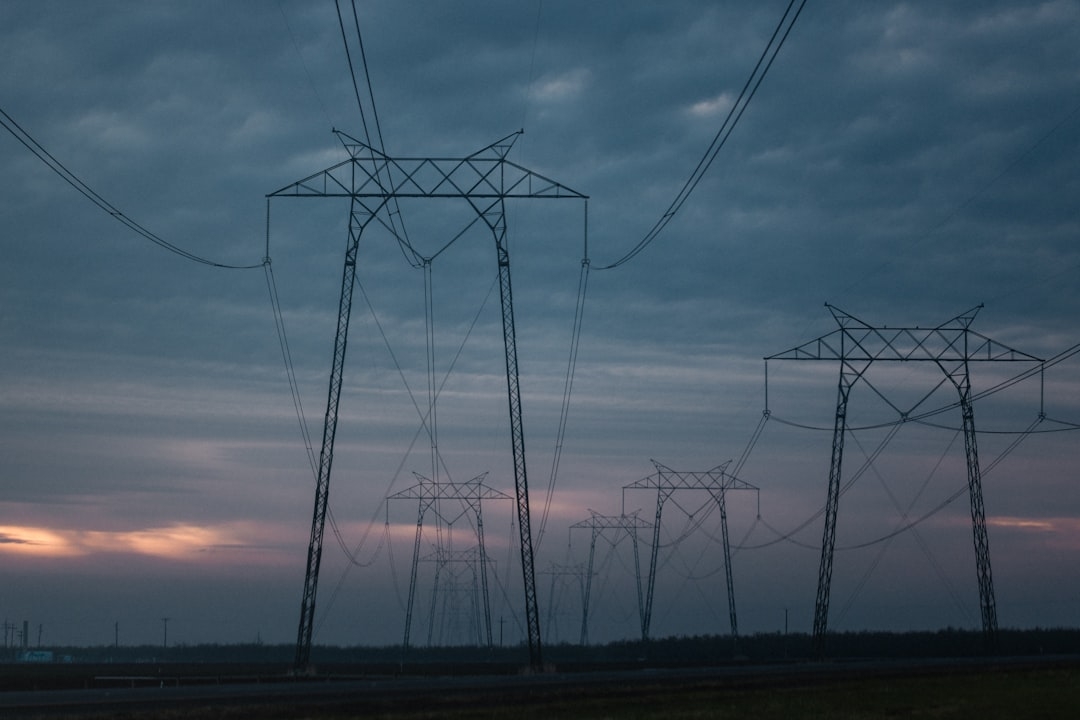
Electricity markets are complex, often plagued by inefficiencies and high costs. Can artificial intelligence offer a practical solution? Tem, a startup backed by a recent $75 million funding round led by Lightspeed, believes it can. Their AI-driven transaction engine aims to reshape how electricity is bought and sold, promising lower expenses and smoother market operations.
What Is Tem’s Approach to Electricity Markets?
At its core, Tem has developed a transaction engine powered by artificial intelligence (AI). This engine automates and optimizes the process of electricity trading, cutting costs that typically arise from manual processes and outdated systems. By leveraging AI, Tem’s platform can analyze vast data flows and make real-time decisions that human operators would struggle to match.
This approach goes beyond simple automation. It applies advanced machine learning algorithms to predict demand and supply fluctuations, optimize trades accordingly, and reduce the friction in market operations. The result is a streamlined, cost-effective platform designed for complex electricity markets.
How Does Tem’s AI-Driven Transaction Engine Work?
Tem’s system harnesses AI techniques such as machine learning models and real-time data processing to handle transaction volumes at scale. In electricity markets, where supply and demand must balance second-by-second, the ability to make quick, accurate decisions is critical.
The transaction engine examines patterns in energy consumption, generation forecasts, and price signals, then executes trades that maximize cost efficiency. This kind of AI application reduces the need for intermediaries and minimizes transaction fees, bringing tangible savings to utilities and consumers alike.
Why Are Traditional Markets Inefficient?
Most electricity markets rely on manual reconciliation and legacy software that can’t keep up with today’s dynamic energy landscape. The complexity of integrating renewable energy, variable consumer patterns, and fluctuating prices inherently causes inefficiencies. Many operators still perform reconciliation tasks by hand, leading to delays and mistakes.
What Makes Tem’s Solution Different From Others?
Unlike generic trading platforms, Tem specifically targets the unique challenges of electricity markets with a blend of AI and domain expertise. Their engine's agility allows scaling across geographies, a key factor as indicated by their plans to expand into the U.S. and Australia.
The involvement of Lightspeed in leading the $75M funding round not only validates Tem’s technology but provides the resources needed to execute cross-border growth strategies. This expansion will test Tem’s AI engine in diverse regulatory environments and demand scenarios.
When Should Energy Providers Consider AI-Based Market Solutions?
Energy providers overwhelmed by reconciliation complexities and transaction costs should evaluate AI solutions like Tem’s. If your operations involve high-volume trades with tight margins, relying exclusively on manual processes is a liability.
Tem’s engine offers:
- Automated transaction reconciliation to reduce human error
- Real-time decision-making to respond to market variability
- Cost reduction through streamlined processes
Adopting such AI platforms can be a competitive advantage where speed and accuracy matter most.
What Challenges Did Tem Likely Face in Development?
Building AI for electricity markets is no easy feat. The startup probably encountered these hurdles:
- Data quality and availability: Reliable, real-time data streams are crucial and often fragmented.
- Integration complexity: Merging AI with existing market infrastructures requires robust APIs and compliance.
- Regulatory hurdles: Electricity markets are highly regulated, adding legal complexities to deployment.
Despite these challenges, Tem’s successful fundraising and operational footprint demonstrate their solution’s resilience and practical value.
What Are the Key Takeaways About Tem’s AI Impact on Electricity Markets?
Tem’s approach showcases a critical shift from traditional manual reconciliation to intelligent automation powered by AI. Their transaction engine not only aims to reduce operational costs but also to improve market fluidity—benefits that ripple through the entire energy ecosystem.
The growth backed by Lightspeed reflects strong market confidence, highlighting AI’s growing role in infrastructure domains beyond the usual tech sectors.
How Can You Evaluate AI Solutions for Your Energy Market Operations?
Consider this quick framework to assess AI platforms like Tem:
- Identify pain points in your current reconciliation and transaction processes
- Analyze if these can be automated or optimized with AI prediction models
- Check vendor experience and technological adaptability to local market regulations
- Estimate potential cost savings against implementation complexity
This 10-20 minute evaluation will clarify if adopting AI in your energy market operations offers a practical advantage.
Tem’s journey is a prime example of how AI can address real-world complexities rather than just theoretical promises. Their transaction engine’s success depends on the ability to combine advanced AI with deep domain knowledge — an approach other sectors can learn from.
Technical Terms
Glossary terms mentioned in this article












Comments
Be the first to comment
Be the first to comment
Your opinions are valuable to us