
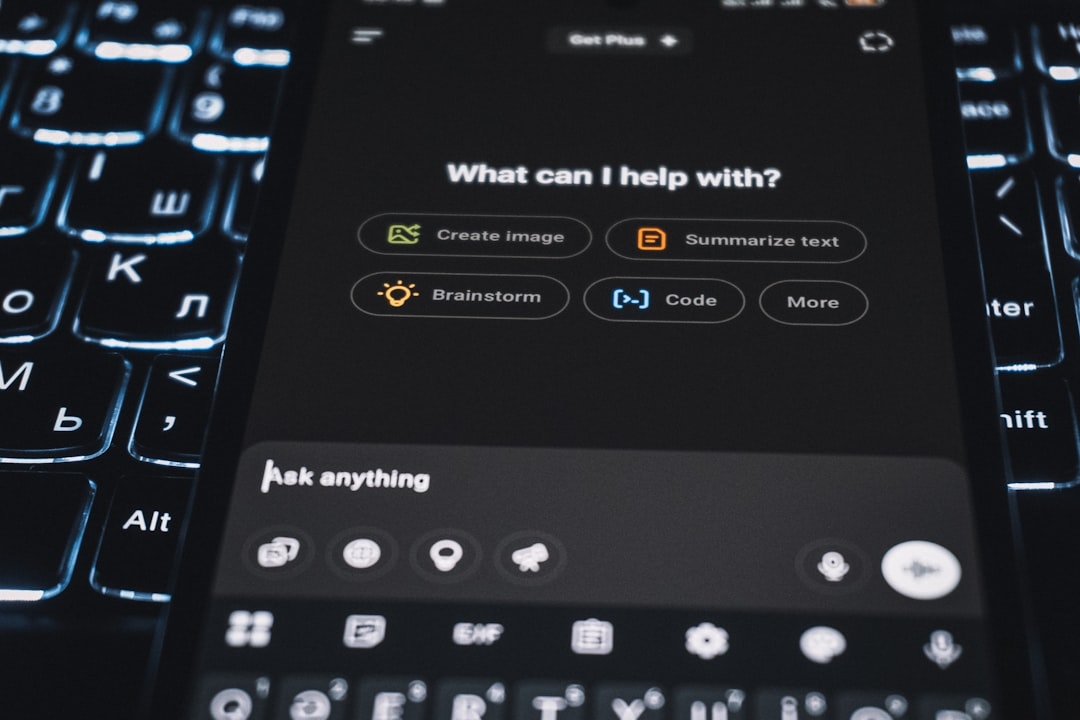
Many assume entry-level jobs remain unchanged despite rapid technological progress. But IBM is challenging this notion by dramatically expanding its entry-level hiring in the U.S. with a focus on artificial intelligence (AI). This shift signals a profound transformation in the skills and responsibilities expected from new graduates.
Understanding how IBM is reshaping entry-level roles helps job seekers prepare and adapt effectively. These positions are no longer about routine tasks; instead, they integrate AI tools and require a blend of technical aptitude and critical thinking.
Why Is IBM Tripling Entry-Level Hiring by 2026?
IBM, a key player in technology and AI innovation, plans to triple its U.S. entry-level hiring by 2026. This aggressive growth addresses two main drivers: the rising demand for AI-literate workers and the company’s strategic push to fill roles that merge traditional responsibilities with AI-driven functions.
Unlike previous entry-level roles focusing on basic support or manual tasks, these new positions will include working alongside AI systems, automating workflows, and analyzing data to improve business processes.
How Does IBM’s Entry-Level Role Differ From The Past?
Traditional entry-level jobs often involved repetitive tasks like data entry, basic troubleshooting, or assisting senior staff. IBM’s new roles, however, expect candidates to:
- Collaborate with AI tools: Use AI-powered platforms to extract insights and improve operations.
- Engage in continuous learning: Develop skills in AI, data analysis, and automation technologies.
- Work cross-functionally: Partner with data scientists, engineers, and business analysts to solve problems.
This evolution means entry-level talent at IBM needs a diverse skill set that blends technical knowledge with adaptability and problem-solving.
What Does Working With AI Tools Actually Mean?
AI tools enable automation and data-driven decision making. For instance, employees might use AI software to streamline repetitive tasks or generate reports that once took hours to create manually. This shift requires understanding how to interpret AI outputs and identify when human judgment is necessary.
What Skills Does IBM Look For in Entry-Level Candidates?
Contrary to the belief that only coding skills matter, IBM values a broad range of competencies, including:
- Basic programming or scripting ability: Knowing languages like Python or being comfortable with automation scripts.
- Data literacy: Ability to read, analyze, and communicate insights from data.
- Collaboration: Working efficiently in diverse teams, often virtually.
- Curiosity and adaptability: Embracing new tools and approaches as AI technologies evolve.
IBM actively supports upskilling: new hires often engage in ongoing training programs to stay ahead.
Common Misconceptions About Entry-Level Jobs in the AI Era
It’s easy to assume AI will replace entry-level workers entirely. However, IBM’s hiring plans prove that AI is more about augmentation than replacement. These roles will not vanish but transform, demanding a new way of working rather than eliminating human involvement.
Another misconception is that only STEM graduates qualify. In reality, IBM seeks a multidisciplinary pool with diverse backgrounds, emphasizing willingness to learn AI-related skills over formal degrees.
When Should You Start Preparing for AI-Integrated Roles?
The best time is now. Even if you’re early in your career, getting comfortable with AI basics, cloud platforms, and data analysis tools will give you an edge. IBM’s hiring growth means more opportunities will open soon, but those ready to engage with AI will stand out.
Real-World Examples of AI-Powered Entry-Level Tasks at IBM
Consider a new hire in IBM’s supply chain division. Instead of manually tracking orders, they might use AI dashboards that highlight bottlenecks and suggest prioritization.
In customer support, entry-level analysts now use AI chatbots to handle routine queries, stepping in only when escalation is necessary. This enhances efficiency and develops problem-solving skills.
Another example is in marketing analytics, where junior staff interpret AI-generated consumer insights to tailor campaigns more effectively.
What Challenges Arise in Transitioning to These New Roles?
This transformation isn't without hurdles. New hires sometimes struggle balancing AI tool reliance with critical thinking. Overdependence on AI outputs can lead to overlooked errors. Real-world experience shows the importance of human oversight and continuous questioning of automated results.
Also, ongoing learning demands can overwhelm. IBM addresses this by integrating mentorship and structured learning paths, but candidates must be proactive.
How Can You Troubleshoot Common Pitfalls Working With AI?
- Verify AI outputs: Cross-check recommendations with real data and context.
- Maintain a learning mindset: Regularly update skills and question assumptions.
- Seek feedback: Collaborate closely with experienced colleagues.
What Should You Do to Prepare for IBM’s Entry-Level Jobs?
If you want to join IBM’s new wave of entry-level talent, focus on hands-on experience with AI-related technologies. Start with introductory courses in AI and data science, experiment with automation tools, and develop communication skills for multidisciplinary teamwork.
Practical projects will help. For instance, use free AI platforms to create simple automation or analyze datasets. Document your approach and learning process; this reflects real-world problem-solving valued by IBM recruiters.
Step-by-Step Implementation Task
Spend 20-30 minutes today doing the following:
- Choose a simple dataset (e.g., from public sources like Kaggle or Google Dataset Search).
- Use a free tool like Google Sheets or Microsoft Excel to identify basic trends or outliers.
- Write a brief summary explaining what the data shows and how AI could help automate this analysis at scale.
This exercise builds foundational skills relevant to IBM's evolving entry-level roles, highlighting how humans partner with AI to drive impact.
IBM’s ambitious hiring plans reflect a larger trend: the future workforce must blend human insight with AI efficiency. Getting ahead means embracing change rather than fearing it.
Technical Terms
Glossary terms mentioned in this article






Comments
Be the first to comment
Be the first to comment
Your opinions are valuable to us