
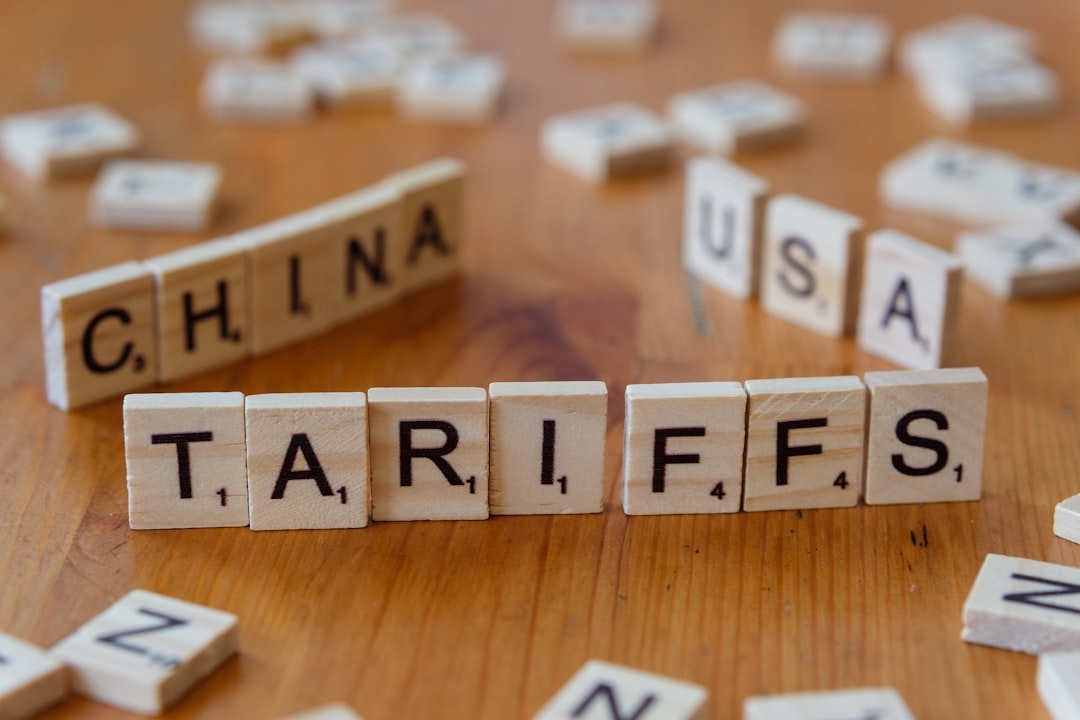
In a surprising move, Nintendo has taken legal action against the US government seeking refunds on tariffs imposed on its products. This lawsuit follows a recent Supreme Court decision that struck down some of the sweeping tariffs introduced by the president, which had affected not only Nintendo but thousands of other companies across various industries.
Tariffs are taxes imposed on imported goods—a concept that seems straightforward but quickly becomes complicated in global trade, especially for companies like Nintendo that rely heavily on international supply chains. This article explores Nintendo's journey through this legal battle and examines the broader implications of tariff policies on businesses.
What Are Tariffs and How Do They Affect Companies Like Nintendo?
Tariffs are essentially customs duties, taxes added to the price of imported goods, making those goods more expensive to buy or sell. Governments sometimes use tariffs to protect domestic industries or for political leverage, but this can lead to unintended consequences for businesses.
Nintendo, a major player in the video game industry, imports many of its products and components. When tariffs raise the cost of these imports, Nintendo’s expenses increase. Often, companies must decide between absorbing these costs or passing them on to consumers.
Why Did Nintendo Sue the US Government?
The catalyst for Nintendo’s lawsuit was the Supreme Court’s decision to nullify certain presidential tariffs, ruling that the expansion of tariff authority exceeded legal limits. This ruling opened the door for companies like Nintendo to seek refunds on tariffs they had paid under the now-invalidated rules.
In essence, Nintendo argues that since these tariffs were unlawfully imposed, the government should return the money collected. This is a significant move because it could affect the finances and supply chains of thousands of businesses impacted by similar tariffs.
How Does the Supreme Court Decision Impact Tariff Policies?
The Supreme Court ruling curbed the president's authority to unilaterally impose tariffs without sufficient congressional approval. This legal check limits the executive branch's reach over trade policy, reinforcing the need for clear, democratic processes in economic decision-making.
For companies, this means less uncertainty regarding trade regulations in the future, but also highlights how unpredictable tariff enforcement can be. Businesses often face challenges planning long-term because of shifting trade policies.
What Lessons Can Businesses Learn From Nintendo’s Experience?
This situation illustrates how government decisions ripple through the economy. For companies reliant on global trade, tariffs can be an unplanned expense that disrupts pricing strategies and supply chains. Nintendo’s lawsuit serves as an example of pushing back when policies overreach or change unexpectedly.
It’s vital for companies to monitor trade policies actively and explore legal avenues if they believe their interests are unfairly impacted. Staying agile and informed can mitigate damage from sudden regulatory shifts.
How Should Companies Assess Their Exposure to Tariffs?
Understanding tariff risk is crucial. Businesses should map their supply chains, identify tariff-sensitive components, and calculate potential financial impacts. This approach is similar to an everyday analogy: just like budgeting for unexpected car repairs, companies must prepare for sudden cost increases due to tariff changes.
Checklist for Evaluating Tariff Impact:
- Identify all products affected by tariffs.
- Calculate increased costs due to tariffs.
- Assess the possibility of passing costs to customers.
- Consider alternative suppliers or production locations.
- Evaluate legal options if tariffs are disputed.
These steps help a company create a flexible strategy that accounts for trade risks without losing competitiveness.
What Are the Broader Implications for Trade and Industry?
The Nintendo case underscores the tension between government trade policy and business operations. Tariffs can serve as double-edged swords—offering protection to some industries while burdening others. The Supreme Court’s intervention reminds policymakers to balance these effects carefully.
For industries relying on international markets, clarity and stability in trade policies are essential. The legal challenge also signals that companies will seek accountability if policies are poorly enacted or cause undue hardship.
What Should Businesses Do Next After Reading Nintendo’s Case?
Businesses should use Nintendo’s example as a cautionary tale and a prompt. The next practical step is to conduct a quick, focused internal review of possible tariff impacts:
- List imports potentially subject to tariffs.
- Review recent trade law changes affecting those imports.
- Estimate financial exposure and pricing flexibility.
- Consult legal counsel on current or past tariffs that may be challenged.
- Plan contingency actions, such as alternative sourcing or price adjustments.
This simple evaluation can be completed in 10-20 minutes and provides immediate insight into direct risks.
Ultimately, Nintendo’s lawsuit highlights the importance of vigilance toward economic policies and readiness to respond when they affect business viability.
Technical Terms
Glossary terms mentioned in this article






Comments
Be the first to comment
Be the first to comment
Your opinions are valuable to us