
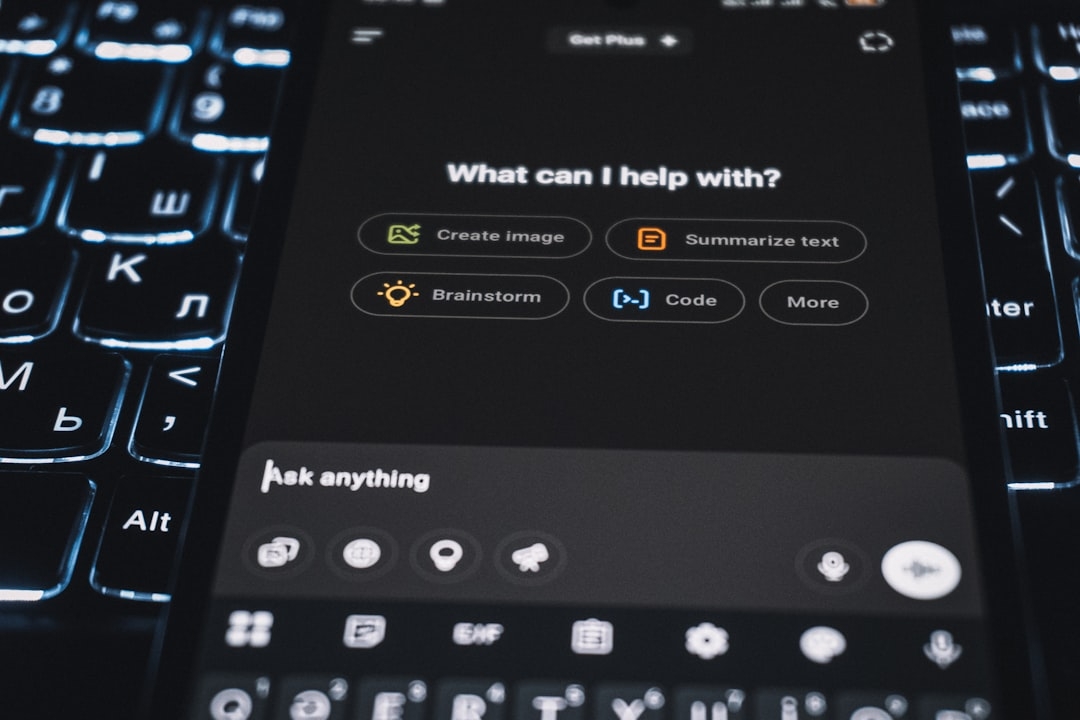
In recent months, the spotlight has been on the AI industry as political tensions involving the Trump administration's Department of War have led to a legal and operational dispute with Anthropic, the developer behind the AI model Claude. This has raised questions about the availability of Anthropic Claude for commercial use, especially from major companies like Microsoft, Google, and Amazon. Understanding this situation is crucial, as many rely on AI services powered by Claude to enhance their products.
While the feud has made headlines, it’s important to clarify the practical impact on tech giants utilizing Claude-powered AI. This article explores exactly why Anthropic Claude remains accessible to non-defense organizations and users, what this means for you if you’re leveraging AI tools from Microsoft or Google, and how to diagnose and resolve potential concerns.
How Does Anthropic Claude Stay Accessible to Microsoft, Google, and Amazon?
Anthropic Claude is an advanced AI language model known for its strong focus on safety and ethical design. Despite the ongoing dispute with the Department of War, the key point is that this conflict centers specifically around defense-related contracts and not the broader commercial market.
Companies like Microsoft and Google have integrated Claude into certain cloud and AI products offered to their customers. Their agreements with Anthropic ensure uninterrupted access for commercial and civilian uses. This distinction is vital: the Department of War’s actions target defense applications but do not prohibit other sectors from using Claude via these tech giants.
Practically, this means if you’re using AI-powered services through Microsoft Azure or Google Cloud that incorporate Claude, your access remains unchanged. Similarly, Amazon’s cloud offerings continue to support applications involving Claude-based technology.
Why Should You Care About This Separation?
The geopolitical and bureaucratic issues behind the scenes might seem distant from your day-to-day use of AI tools, but they matter because they affect reliability and access. Companies have had concerns about possible service interruptions or legal hurdles affecting their AI workflows.
However, the fact that Anthropic Claude remains available to these non-defense customers means you can trust these AI capabilities in your workflows for customer support, content generation, data analysis, or whatever you use Claude for.
What Are the Main Advantages of Claude in AI Services Offered by These Companies?
- Safety and Alignment: Claude is specifically designed to reduce harmful outputs and ensure safer AI interactions. For business applications, this translates into more reliable and ethical responses.
- Integration with Major Platforms: Developers working with Microsoft or Google can access Claude’s capabilities without managing a separate AI chain, which streamlines development and deployment.
- Access to Up-To-Date Models: These partnerships enable enterprise customers to benefit from ongoing improvements to Claude’s architecture through cloud products.
When Should You Worry About Potential Impact from the Political Dispute?
If you’re operating in sectors related to defense contracts or classified government work, this dispute might eventually affect your access to Claude-powered tools, since the Department of War dispute targets these specific domains.
For general commercial use, however, the current situation does not interrupt your AI integrations. That said, staying informed through your platform provider’s announcements is wise, as future developments might necessitate contract reviews or migrations depending on policy changes.
How Does the Feud Affect Other Companies Using Claude Via Microsoft and Google?
The Anthropic and Department of War disagreement is a legal and bureaucratic challenge that hasn’t spilled over into everyday AI services outside defense procurement. Therefore, companies relying on Claude integrations through Microsoft and Google remain shielded from disruptions.
From a technical perspective, these large cloud providers have negotiated contracts with Anthropic to maintain stable access to Claude's models. This contract layering ensures customers don’t experience outages or restricted AI model access due to such disputes.
What Should You Do If You Encounter Issues Related to Claude Access?
If you experience interruptions or challenges, start by verifying the scope of your company’s AI usage—check whether your applications potentially involve defense-related handling or fall within normal commercial operations.
Next, reach out to your AI platform provider’s support team (Microsoft, Google, or Amazon) for specific guidance on your account and access rights. They can clarify any restrictions currently in place and assist with troubleshooting.
In most cases, restarting your AI service instance, checking for any updated compliance policies, or migrating workloads to alternative supported AI services represent practical steps to resolve disruptions.
Final Thoughts on Anthropic Claude’s Availability Amid Political Dispute
Despite political tensions involving Anthropic and the Department of War, the AI landscape remains largely stable for commercial users of Claude-powered tools through Microsoft, Google, and Amazon. This separation of defense-related issues from civilian usage means most businesses can continue leveraging Claude without interruption.
Nevertheless, AI adopters should remain vigilant, staying updated with announcements from both Anthropic and their cloud providers to anticipate any shifts. Ensuring your AI workloads are clearly classified outside defense or restricted zones helps avoid surprises.
Next, you can verify your current AI integrations:
- Confirm whether your use case involves defense or classified data.
- Check your AI provider’s service status dashboard for outages or announcements.
- Test your Claude-powered applications to ensure they respond correctly.
- If issues arise, contact support and review compliance requirements.
Taking these steps helps maintain stable AI service usage as the political situation evolves.
Technical Terms
Glossary terms mentioned in this article

Comments
Be the first to comment
Be the first to comment
Your opinions are valuable to us