

Many assume AI in commerce merely helps shoppers browse faster, but Google's new protocol proves there's more. It lets merchants offer direct discounts within AI-powered results, changing how online shopping works.
What Is Google's New AI Protocol and Why Does It Matter?
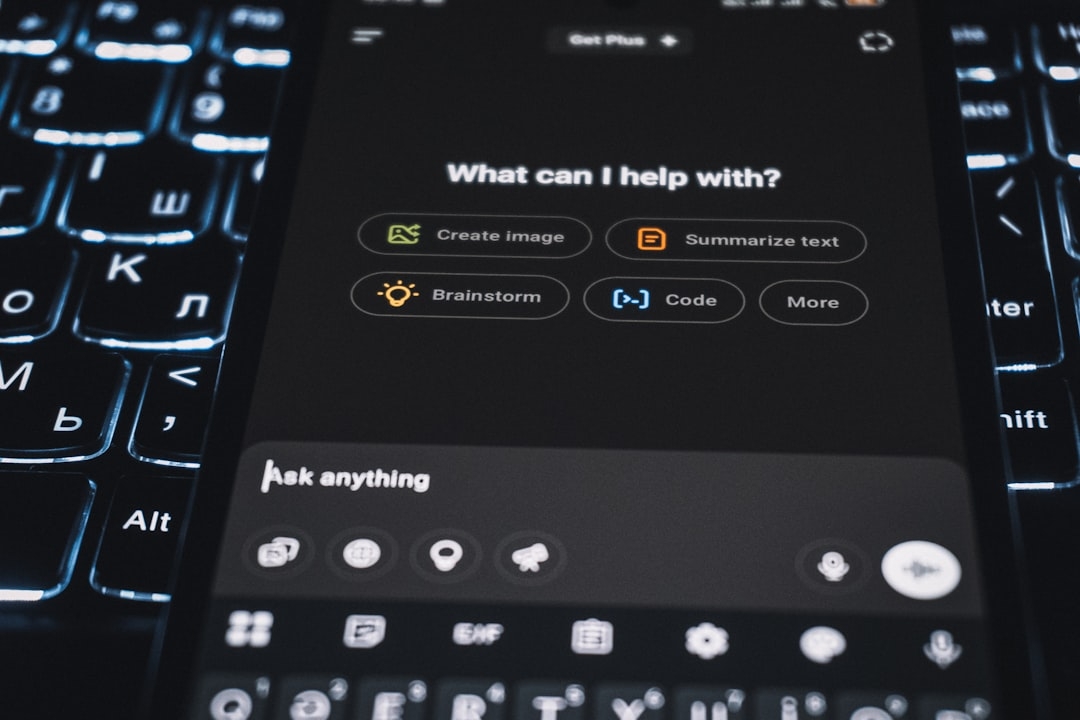
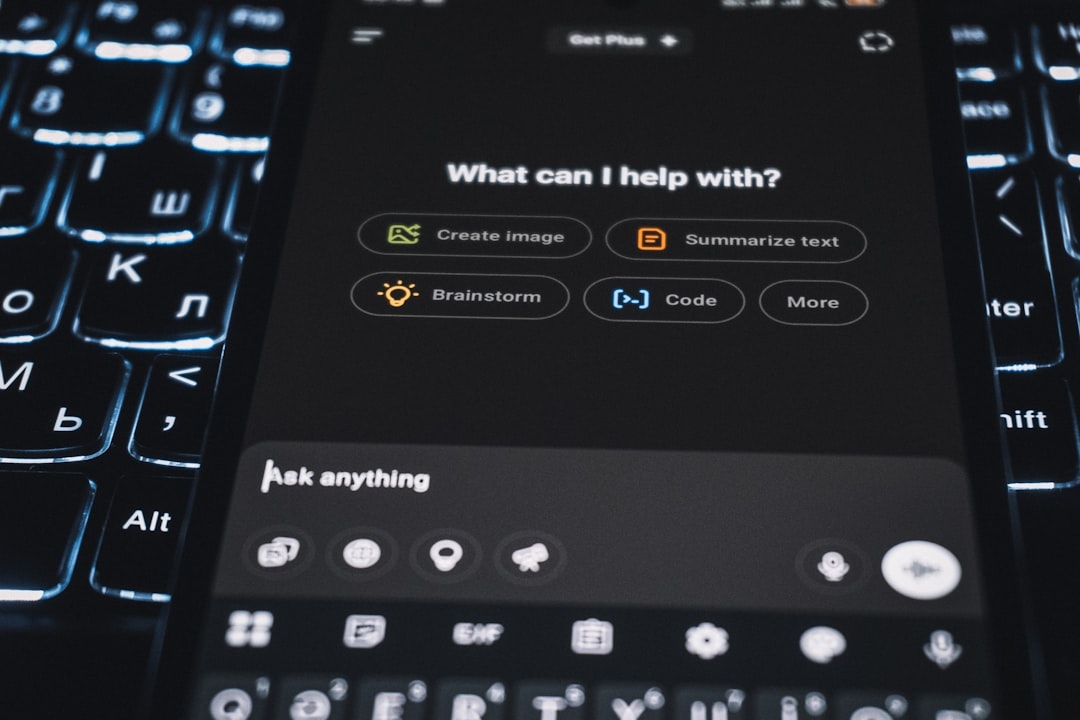
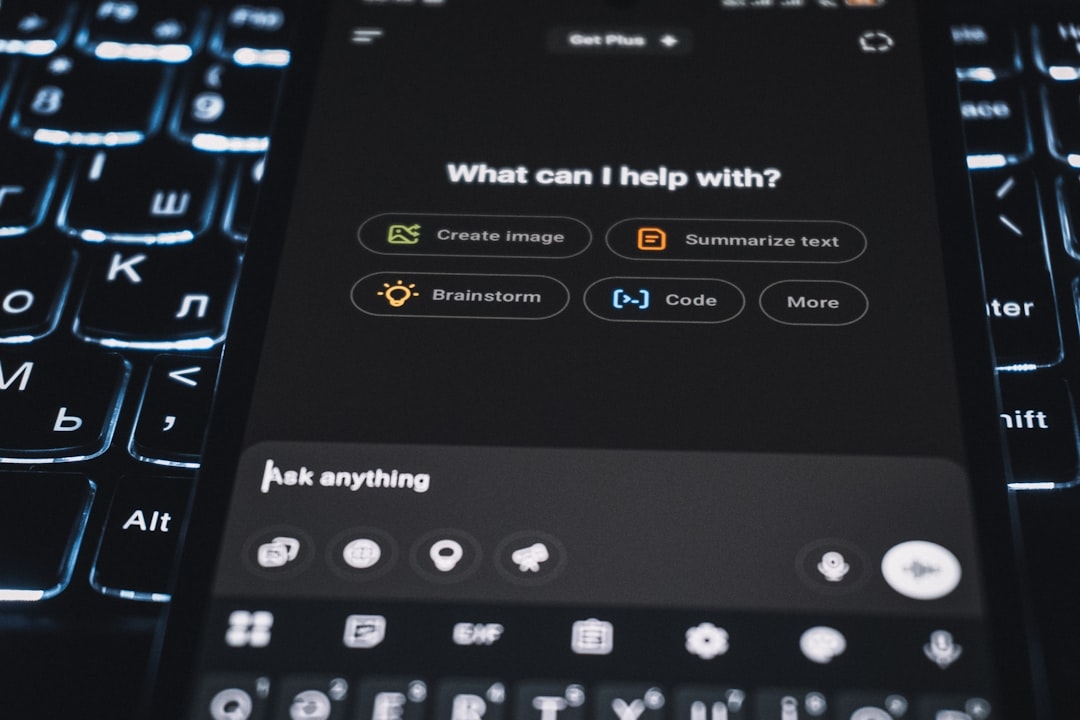
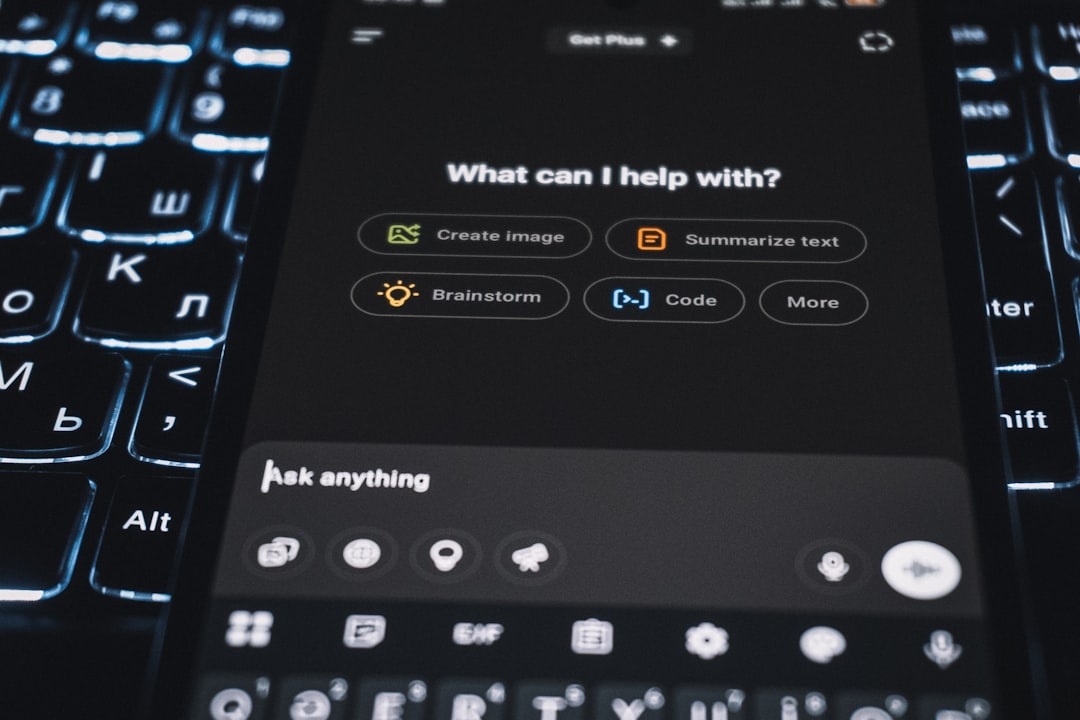
Google recently announced a protocol designed to facilitate commerce using AI agents. In simple terms, this means merchants can now integrate offers such as discounts directly into AI responses that users receive, rather than through traditional ads or static listings.
This is significant because it fuses AI-driven search with actionable commerce incentives, making transactions smoother and potentially more engaging for users. Instead of just suggesting products, AI agents can now deliver personalized price benefits instantly.
How Does This AI-Enabled Commerce Protocol Work?
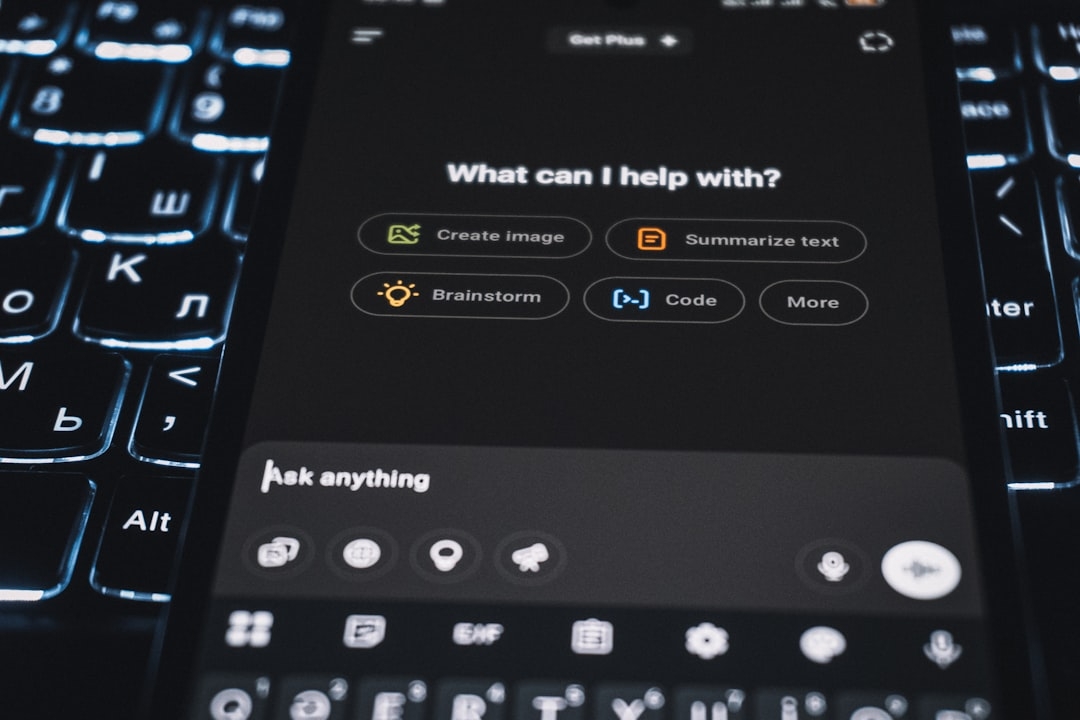
At its core, the protocol enables merchants to communicate offers like discounts directly to users interacting with Google's AI — think smart assistants or chat-based AI interfaces. When a user queries a product or service, the AI agent evaluates available merchant data and can present discounted prices in its response.
This differs from traditional e-commerce where discounts or promotions appear separately on websites or ads. Here, discounts are embedded within the AI-generated content users engage with.
Technical note: The term "protocol" here refers to a standardized method that ensures offers and transactions happen seamlessly across different AI platforms and merchant systems.
What Challenges Might Merchants Face Implementing This?
Experience with similar AI-commerce features reveals several complications.
- Integration Complexity: Merchants need to connect their pricing and offer data in formats compatible with the AI protocol, which may require significant backend adjustments.
- Real-Time Accuracy: Because AI results depend on up-to-date offers, systems must ensure discounts are current to avoid misleading customers.
- User Trust: Users can be skeptical when discounts appear in conversation or AI-generated text. Merchant reputation remains crucial.
In practice, we have seen AI-powered discount offers stumble when data synchronization fails or when offers are poorly contextualized leading to confusion instead of purchase.
When Should Merchants Use This AI Discount Protocol?
This feature is most useful for businesses with fast-changing promotions or where immediate pricing incentives can sway purchasing decisions—think flash sales, seasonal deals, or perishable goods. Brands that rely heavily on price competitiveness could benefit the most.
However, merchants with static pricing or those prioritizing brand experience over discounts might find limited value.
What Are the Practical Benefits for Consumers?
For end users, the main advantage is frictionless discovery and savings. Instead of hopping across multiple sites or searching for promo codes, users get tailored discounts instantly presented by AI agents they already trust to deliver answers.
This reduces the effort and time spent hunting for deals, potentially improving satisfaction and purchase likelihood.
Why Should We Question Popular Assumptions About AI in Commerce?
Many believe adding AI always streamlines shopping experiences and increases sales, but the reality is more nuanced. Without careful design, AI discount displays can confuse or overwhelm users, or create mismatched expectations if offers expire or change.
Just like a well-trained salesperson knows when and how to present discounts, AI systems must balance offer presentation with context. Overuse risks eroding trust.
Analogy: AI Agents as Store Clerks
Think of these AI agents as store clerks. If the clerk blurts out discounts indiscriminately, customers might feel pressured or suspicious. If the clerk only offers relevant deals at appropriate moments, the shopping experience improves. Google's new protocol aims to equip AI agents with that "store clerk" intelligence, but it depends on merchant data and AI calibration.
What Worked and What Didn't in Early Uses of Similar Features?
From trials, it’s clear real-time data syncing and offer relevance are critical. Early experiments showed that outdated discounts or irrelevant offers led to negative feedback. Conversely, when merchants provided accurate, personalized discounts, conversion rates improved.
We learned that automation alone doesn’t guarantee success. The merchant’s backend readiness, quality of offers, and AI’s contextual understanding matter immensely.
Key Takeaways for Evaluating This Protocol in Your Business
- Assess your current pricing and promotion updating speed: Can your systems feed real-time offers?
- Gauge your customer base: Are your users price-sensitive and open to AI-driven suggestions?
- Test contextual relevance: Can the AI present the right discount at the right stage of interaction?
- Monitor trust signals: Ensure users view AI-offered discounts as credible.
Adopting Google's new commerce protocol isn't a plug-and-play solution. It demands strategic integration and ongoing tuning.
How Can You Quickly Evaluate If This Protocol Fits Your Use Case?
Here’s a simple 3-step test you can complete in 20 minutes:
- List your current promotions and how quickly they update.
- Map typical user journeys and identify points where a direct discount offer would be most impactful.
- Check your backend systems for API or data exchange compatibility with AI protocols (or consult your tech team).
This evaluation helps prioritize if investing resources into adopting Google's AI commerce protocol makes sense for your business context.
Ultimately, Google's new AI protocol to facilitate direct merchant discounts in AI results unlocks a promising but complex channel for commerce. Success requires merchants to align real-time data capabilities with user expectations and AI intelligence.
Technical Terms
Glossary terms mentioned in this article


Comments
Be the first to comment
Be the first to comment
Your opinions are valuable to us