
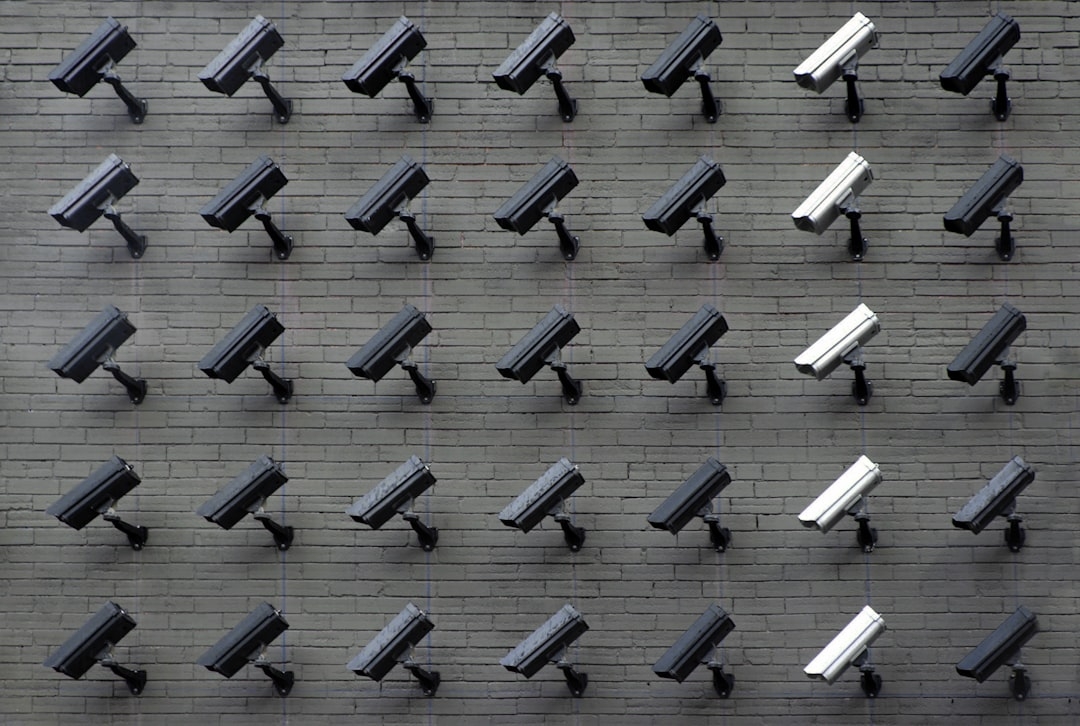
What is Driving New Concerns Over CIA Activities?
When a seasoned senator known for exposing secret government surveillance issues sounds the alarm again, it's worth paying attention. Recently, a veteran Democratic senator sent a brief but pointed two-line letter to the CIA director. This latest warning highlights ongoing concerns about undisclosed CIA activities and intelligence operations within the US government.
Such warnings are not new, but they remind us of the delicate balance between national security and citizens' right to privacy. The senator's firsthand knowledge of secret government programs gives weight to these alerts, suggesting that certain surveillance methods may still be veiled from public scrutiny.
How Does Government Surveillance Work, and Why Is It Controversial?
Government surveillance typically involves collecting information on individuals or groups for security purposes. Agencies like the CIA use various techniques, including electronic monitoring and data gathering, to track potential threats.
Surveillance operations rely on technologies that can capture vast amounts of communication data. While these tools are crucial for preventing danger, they pose risks when oversight is limited. Without proper transparency, surveillance can infringe on personal freedoms and privacy rights.
What Does the Senator’s Letter Imply?
The senator’s concise letter to the CIA’s director does more than just raise a caution flag. It reflects deeper, unresolved issues about the scope and legality of intelligence activities. Given the senator’s background with secret programs, this is a rare glimpse into the tension between intelligence agencies and accountability mechanisms.
This communication suggests that some CIA practices might exceed accepted boundaries or lack full congressional oversight. The exact details remain unseen, but the warning itself reinforces the need for vigilance from both lawmakers and the public.
What Are the Challenges in Monitoring Intelligence Agencies?
Oversight of intelligence agencies is notoriously difficult. These organizations operate under layers of secrecy to protect national security. However, this secrecy can become a double-edged sword:
- Lack of transparency: Many operations are classified, making assessment and critique challenging.
- Complex legal frameworks: Balancing national security laws with civil liberties is intricate.
- Risk of overreach: Surveillance tools might be used beyond their original mandate.
These factors contribute to the senator’s concerns and the persistence of surveillance-related debates.
Why Do Some Surveillance Practices Fail to Gain Broad Approval?
Public trust erodes when surveillance lacks clear limitations or explanations. Analogous to installing cameras inside private homes, secret government monitoring without transparency feels invasive and unjustified.
Oversight failures can lead to abuses reminiscent of cases in history where intelligence agencies operated unchecked. The senator’s repeated warnings highlight that lessons may not have been fully absorbed, emphasizing the ongoing struggle to reconcile security with freedom.
When Should Citizen Concerns Influence Intelligence Policies?
Democratic societies rely on public discourse and legislative scrutiny to maintain healthy governance. Citizens’ concerns about surveillance should prompt policymakers to:
- Demand regular, detailed briefings from intelligence agencies.
- Push for stronger, enforceable limits on data collection and usage.
- Develop transparent mechanisms that allow exacting independent audits.
Engagement helps ensure intelligence work protects rather than threatens the very people it intends to serve.
What Can You Do If You Want to Evaluate Surveillance Risks in Your Context?
Understanding how surveillance works in practice is key to informed evaluation. Consider these steps as a practical framework to assess and respond to surveillance-related risks, whether at a corporate, community, or individual level:
- Identify: Determine what surveillance or data collection is potentially in place.
- Assess: Evaluate the privacy implications and legal justifications.
- Challenge: Question unclear or undocumented monitoring practices.
- Advocate: Engage elected representatives to demand oversight and transparency.
- Protect: Use available tools to secure your communications and data.
This approach takes about 10-20 minutes and empowers you with a clearer perspective on surveillance issues.
Key Takeaways
The senator's renewed warning serves as a stark reminder that government surveillance, especially by organizations like the CIA, remains a complex and controversial issue. Secretive activities within intelligence agencies continue to spark debates about legality, ethics, and oversight. The balancing act between protecting national security and preserving personal freedoms is fragile and constantly tested.
For citizens and policymakers alike, vigilance, transparency, and accountability are critical. A well-informed public can better evaluate the trade-offs involved and demand safeguards that prevent abuse. The senator’s letter underscores the need to keep these concerns in clear view, avoiding complacency despite the complexity of intelligence work.
Technical Terms
Glossary terms mentioned in this article








Comments
Be the first to comment
Be the first to comment
Your opinions are valuable to us