
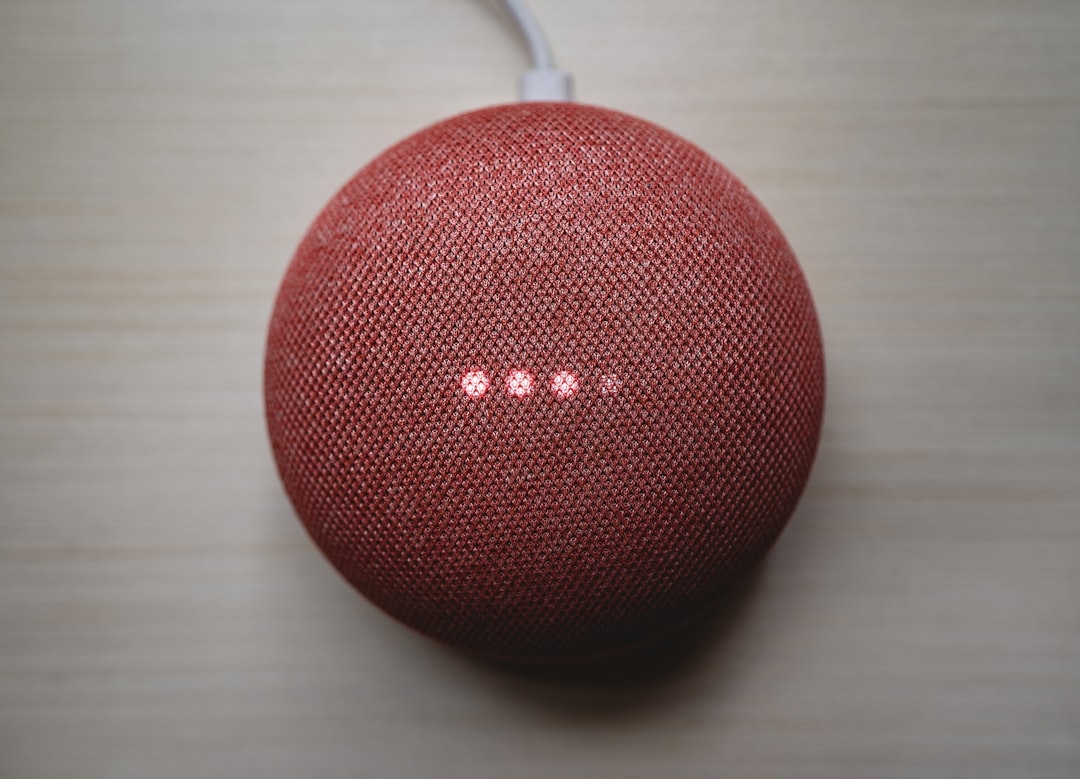
In an age where our smartphones and smart devices constantly listen to us, allegations of privacy breaches become all the more alarming. Recently, Google settled a class-action lawsuit by agreeing to pay $68 million, after being accused of recording users' conversations without consent through its voice assistant.
This settlement brings to light the increasing concerns about how much control and transparency tech giants have over our personal data, especially when it comes to devices designed to listen actively in our homes.
What Exactly Happened with Google's Voice Assistant?
The lawsuit claimed that Google unlawfully intercepted and recorded individuals' confidential communications. More specifically, it centered around the accusation that the company's voice assistant was capturing private voices and conversations without proper user awareness or permission. While Google did not admit any wrongdoing as part of the settlement, the $68 million payout reflects the gravity of such privacy concerns.
A voice assistant is a software agent that understands and responds to voice commands, usually triggered by a wake word. However, the controversy arises when these assistants record audio or data even when users have not explicitly activated the device.
Why Does This Matter to Everyday Users?
Imagine you are having a private conversation in your living room when suddenly your voice assistant starts recording or sending snippets of your speech to Google servers without your knowledge. This breach of trust erodes the fundamental expectation of privacy in the digital age.
Many people assume their devices only listen after hearing a specific wake word or command. This incident reveals that such assumptions can be misplaced, and users' personal conversations might be captured inadvertently, stored, or analyzed without explicit consent.
How Does Voice Assistant Technology Typically Work?
Voice assistants rely on constant background listening to detect a wake word — a keyword like "Hey Google" or "Alexa." Once activated, they process commands or queries. The problem occurs if the assistant mistakenly records audio before hearing the wake word, which might happen due to technical glitches or overzealous data collection policies.
This recording triggers questions about data interception — collecting audio data without explicit permission — and whether such actions comply with privacy laws and user agreements.
How Did Google Address the Settlement?
Rather than admitting fault, Google opted for a settlement agreement to resolve the class-action claims. This approach allows the company to avoid prolonged legal battles and public exposure while compensating affected users.
The $68 million sum is significant, but it should be understood as a resolution rather than an admission of guilt. Such settlements are common in class-action lawsuits, especially involving technology companies facing widespread privacy allegations.
What Lessons Can Consumers Learn From This Incident?
This case serves as a critical reminder to:
- Monitor device settings: Regularly review privacy settings on voice assistants and smart devices.
- Understand permissions: Know what data your devices collect and how it is used.
- Be cautious: Avoid discussing highly sensitive information near voice-activated devices.
- Stay informed: Follow news about privacy issues related to your devices and services.
Can You Trust Voice Assistants to Respect Your Privacy?
This question is more complicated than it seems. While companies invest heavily in improving privacy and security, incidents like this show that trust is not guaranteed. The trade-off between convenience and privacy is ongoing in the tech landscape.
Software architectures for voice assistants rely on cloud processing, meaning your data often travels through remote servers. Even with encryption and safeguards, mistakes, bugs, or policy decisions can expose personal data.
What Are the Broader Implications for Privacy and AI Technology?
This settlement highlights regulatory and ethical challenges as voice-activated AI systems become ubiquitous. Policymakers and companies must balance innovation with stringent safeguards against misuse.
With voice assistants embedded into homes, cars, and workplaces, the potential for unintended surveillance increases. Transparency, clear consent mechanisms, and stricter oversight could help rebuild trust.
What Can You Do Right Now to Protect Your Privacy?
Here’s a quick framework you can apply within 20 minutes:
- Check the privacy dashboard of your voice assistant (e.g., Google Assistant settings).
- Review and delete stored voice recordings if possible.
- Disable or limit “always listening” features on devices you don’t fully trust.
- Update your device firmware and software regularly to patch known vulnerabilities.
- Consider physical solutions, such as muting microphones when not needed.
By actively managing your devices, you reduce the risk of hidden recordings or data misuse.
Ultimately, while voice assistants offer undeniable convenience, incidents like Google's settlement demonstrate the importance of vigilance and skepticism toward digital privacy claims.
Technical Terms
Glossary terms mentioned in this article










Comments
Be the first to comment
Be the first to comment
Your opinions are valuable to us