
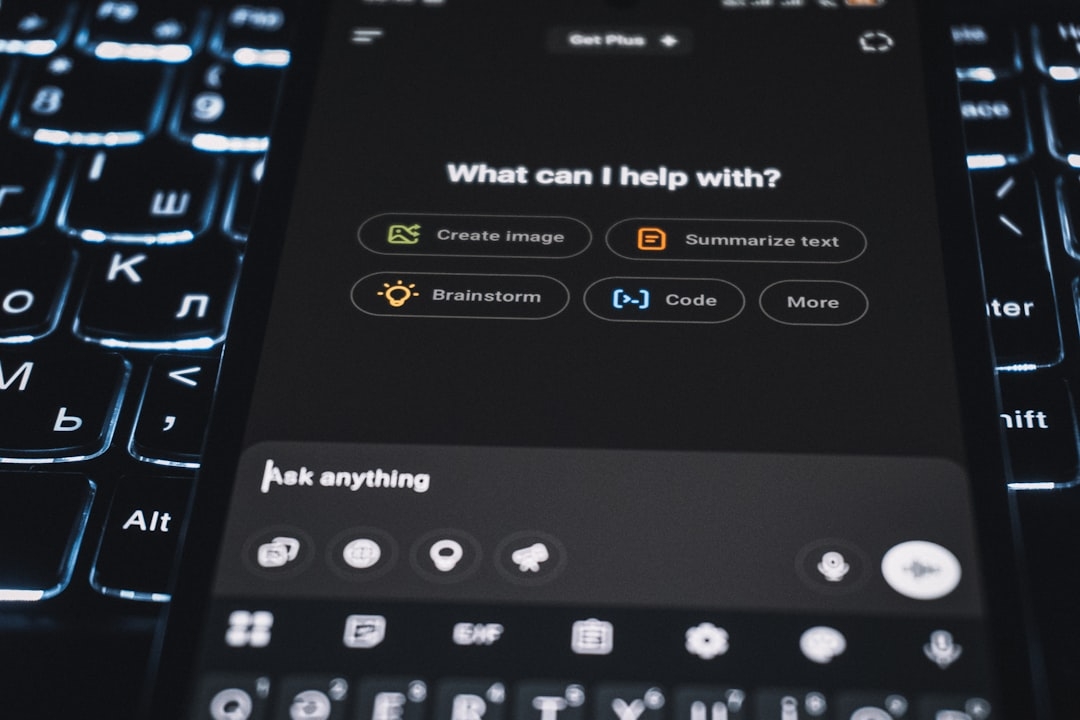
Why is India the Largest Market for ChatGPT Users?
OpenAI's CEO Sam Altman recently disclosed that India accounts for a staggering 100 million weekly active users on ChatGPT—more than any other country globally. Remarkably, a bulk of this usage comes from students, highlighting a growing trend in how AI tools are integrated into education and daily learning.
This milestone opens several questions: Why has India emerged as the leading market? What factors contribute to this massive adoption? And what does this mean for AI's future role within the country?
What Drives ChatGPT's Popularity Among Indian Students?
At first glance, India's large population and increasing internet penetration appear to be obvious reasons. However, it's more complex. Students face intense academic pressure, and ChatGPT's ability to generate explanations, assist with problem-solving, and draft content offers a substantial advantage.
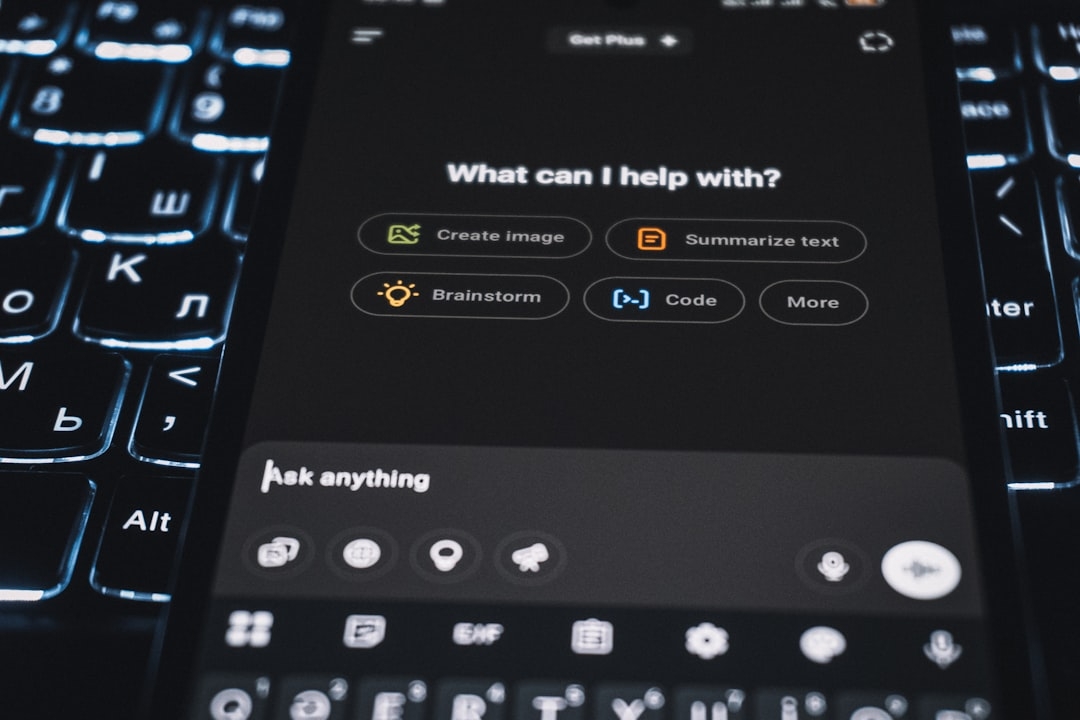
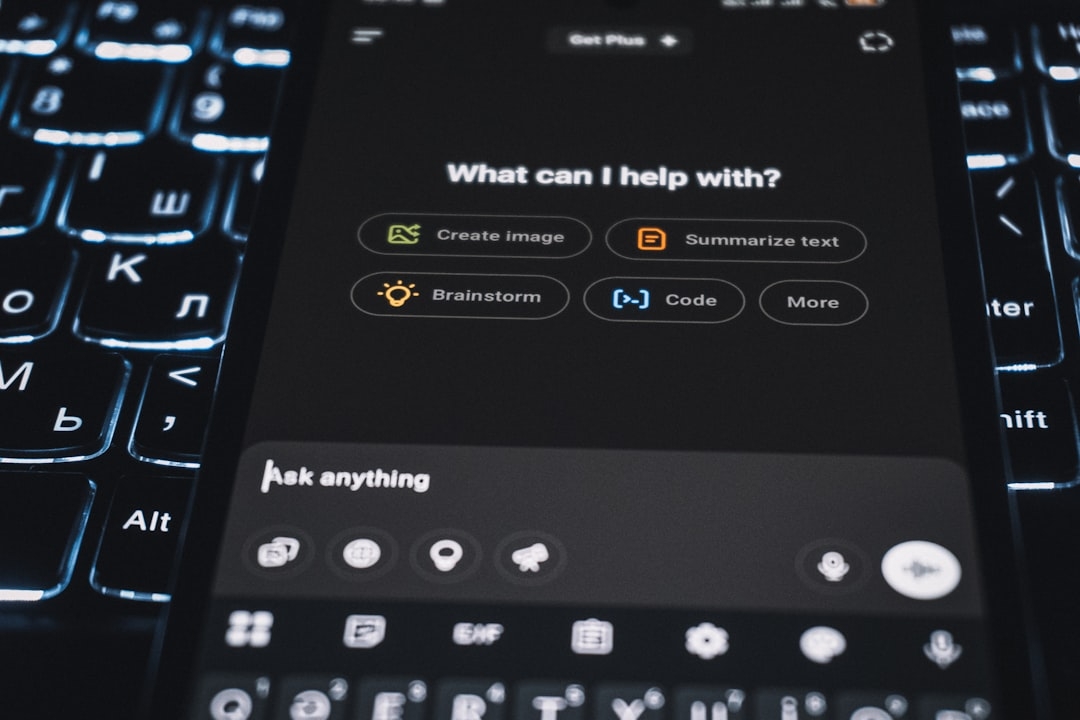
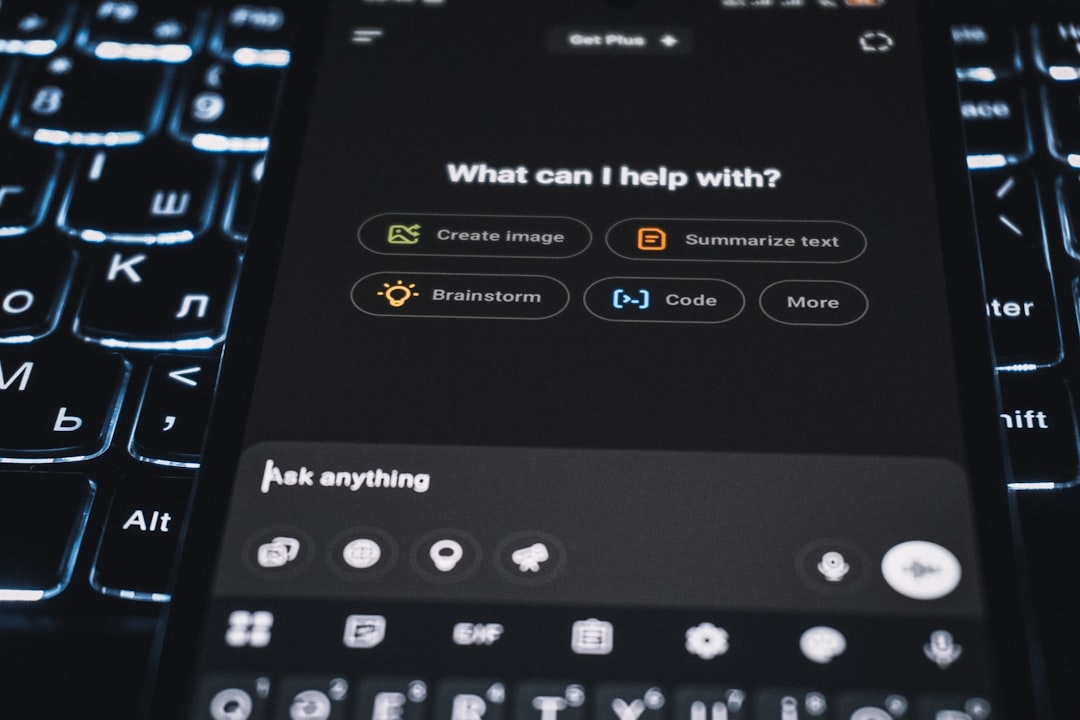
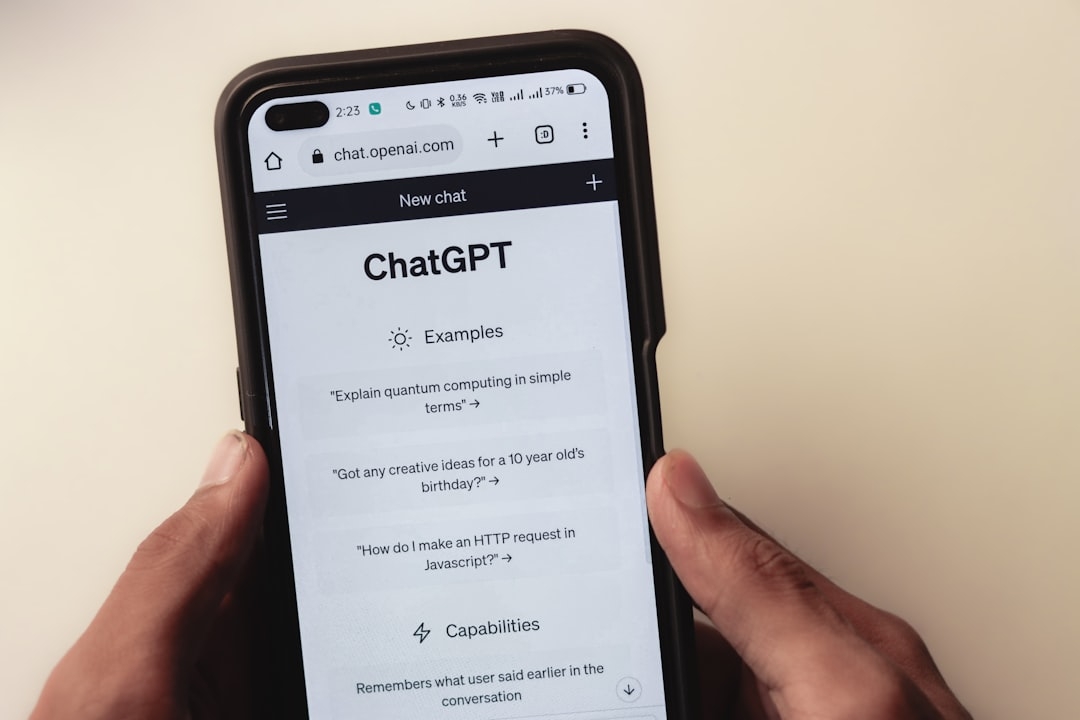
ChatGPT is a conversational AI model developed by OpenAI, built on the GPT (Generative Pre-trained Transformer) architecture. It understands and produces human-like text, enabling users to interact with it as they would with a tutor or assistant.
For many Indian students, this tool provides access to instant help with homework, essay writing, and concept comprehension. This demand combined with affordable mobile data plans and widespread smartphone usage creates a fertile environment for rapid adoption.
How Does ChatGPT Work for Educational Purposes?
Its ease of use and generative capabilities make ChatGPT an invaluable self-learning assistant. Yet, there are trade-offs. Since the model generates probabilistic responses based on patterns it learned from internet text, the accuracy can fluctuate, sometimes leading to misinformation or incomplete answers.
This means students must critically evaluate the outputs rather than accept them blindly—a skill that not all possess, which can limit the tool's effectiveness and potentially propagate inaccuracies.
What Are Practical Considerations for Using ChatGPT in India?
Here are critical factors to weigh:
- Time Savings vs. Accuracy Risks: ChatGPT can rapidly generate text, saving time, but outputs should be verified.
- Cost Implications: While the base model is often free, some users may opt for paid tiers for advanced features, which could be a barrier for some students.
- Internet Dependence: Continuous access to stable internet is necessary, which may not be equitable across regions.
- Ethical Concerns: Reliance on AI for assignments raises questions about originality and academic integrity.
Are There Limits to This Growth?
The overwhelming number of users puts strain on servers and can degrade response times. Furthermore, the potential for misuse or overdependence introduces risks both for users and educators trying to maintain fairness.
Additionally, regional language support and customization tailored to local syllabi are still developing, possibly limiting full adoption beyond English-speaking urban centers.
What Does India’s ChatGPT Usage Mean for the Global AI Economy?
India's leading position challenges assumptions about AI adoption being primarily a Western phenomenon. It reveals how emerging markets can power massive user bases and influence AI product development priorities.
For companies and policymakers, this dominance suggests focusing on localized AI solutions that cater to educational and language needs — emphasizing cost-efficiency and accessibility.
How Can Businesses and Educators Adapt?
Understanding the nuances of user behavior and needs in India could guide:
- Development of AI models optimized for Indian languages and curriculums
- Implementation of safeguards to prevent misinformation dissemination
- Training programs to improve digital literacy and critical use of AI tools
Only by addressing these areas can the benefits of AI be maximized while minimizing the drawbacks.
How Should Readers Evaluate ChatGPT’s Role in Their Own Context?
If you’re considering deploying or relying on ChatGPT or similar AI tools, ask yourself:
- What problem am I solving? Is AI the right fit?
- Does my target user group have stable internet and device access?
- Do users have the capacity to critically assess AI outputs?
- What ethical or operational risks arise from AI dependency?
After reflecting on these, run a short pilot or usability test with real users to gather feedback. This approach can save time and costly errors down the line.
Summary and Looking Forward
India's 100 million weekly ChatGPT users underscore the potential AI holds for transformative impacts, especially in education. However, this scale also exposes challenges around accuracy, equity, and sustainability.
Carefully balancing enthusiasm with critical oversight will be crucial. The rapid adoption offers lessons not only for India but for global AI deployment strategies, reminding us that technology’s impact depends as much on context and users as on innovation itself.
Technical Terms
Glossary terms mentioned in this article





Comments
Be the first to comment
Be the first to comment
Your opinions are valuable to us