

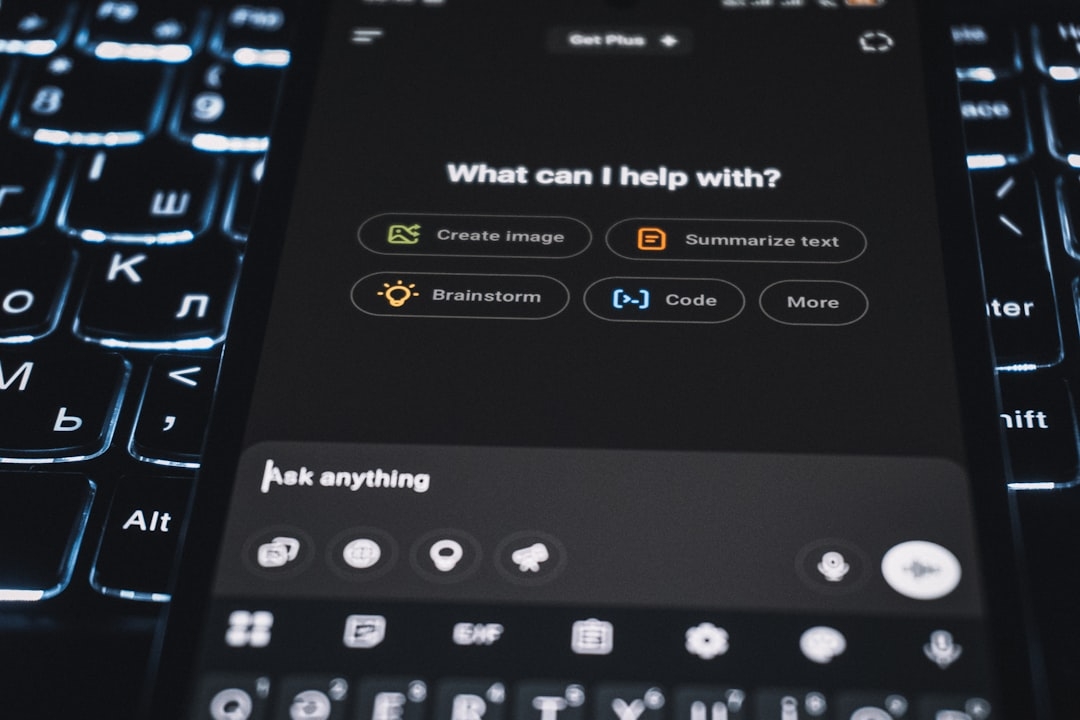
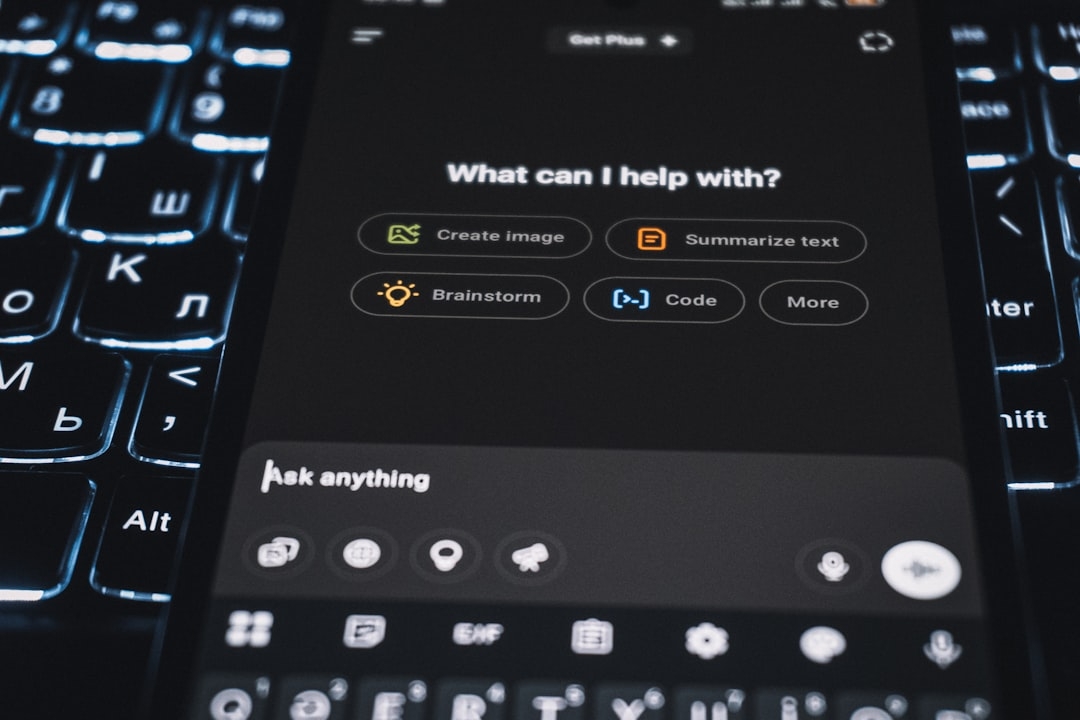
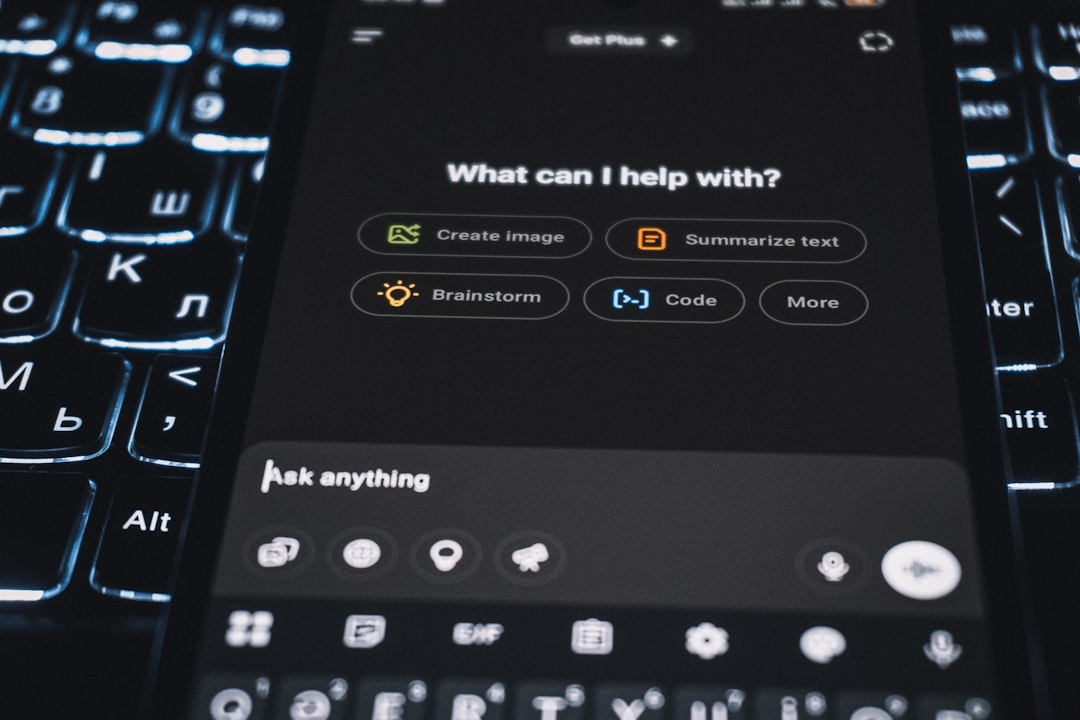
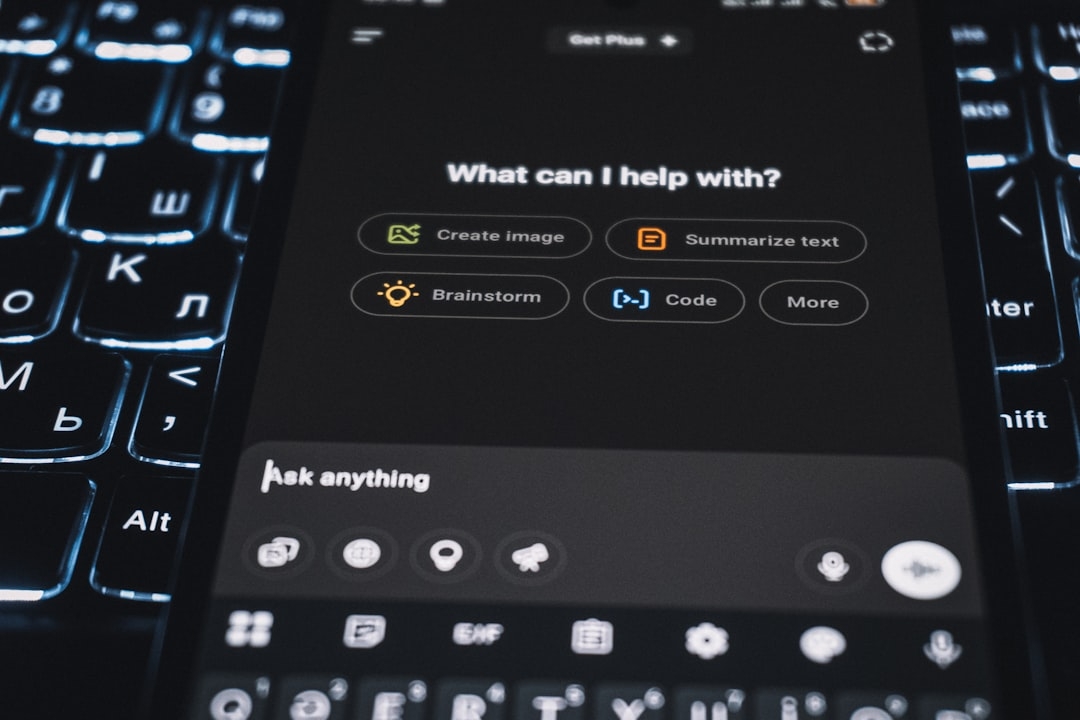
The year 2025 marked a notable shift in mobile consumer behavior: spending on mobile applications exceeded that of mobile games for the first time. This trend, largely driven by the growing adoption of AI-based apps, highlights a changing landscape where utility and productivity now compete head-to-head with entertainment.
This article unpacks the reasons behind this shift, exploring how AI technology enhanced mobile app value, the challenges users face in this new ecosystem, and what developers can learn from this trend.
How Did AI Apps Influence Mobile Spending in 2025?
Artificial Intelligence (AI) apps have become more accessible and practical than ever before. These apps use AI to automate tasks, provide personalized experiences, or deliver smarter services, transforming how users interact with their devices.
Examples include virtual assistants that help organize schedules, AI-driven photo editing tools that simplify creativity, and advanced language translators that break down communication barriers instantly. These applications provide direct functional benefits, giving consumers tangible reasons to invest money beyond just entertainment.
Example 1: AI-Powered Productivity Tools
One company saw their revenue surge when integrating AI features like context awareness and predictive text into their note-taking app. Users found these improvements made daily workflow smoother, pushing them to upgrade to paid versions or buy add-ons, thus increasing overall app spending.
Example 2: AI in Creative Applications
Another scenario involves AI-enhanced photo and video apps that use machine learning to automatically improve image quality or create artistic effects. These features attracted hobbyists and professionals alike, who were willing to pay for premium functionalities previously requiring complex editing skills.
When Should You Consider Spending on AI Apps Over Games?
Traditional mobile games offer entertainment and social engagement, but their value can be transient. In contrast, AI-powered apps often provide ongoing improvements in productivity or creativity.
Consider spending on an AI app when:
- You need consistent daily utility: Apps that save time or reduce effort in routine tasks can justify ongoing costs.
- Customization matters: AI apps that learn your preferences deliver a more personalized experience not easily replicated by generic games.
- You want professional-grade features without complexity: AI automates intricate tasks, allowing amateur users to achieve expert-level outcomes.
By evaluating apps along these dimensions, consumers can decide whether an AI app provides better value than a game that may only entertain.
What Are the Trade-Offs Between AI Apps and Mobile Games?
Spending more on AI apps isn’t without challenges. These apps often demand more device resources, like processing power and battery life, due to their reliance on complex algorithms.
Privacy concerns also arise because many AI apps collect data to improve personalization. Users must weigh whether the benefits outweigh potential risks.
Meanwhile, games typically require fewer permissions and can be used offline, making them simpler and more private.
This comparison underscores a broader trade-off: AI apps offer practical, ongoing benefits at the cost of complexity and data usage, whereas games provide simpler, entertainment-focused experiences.
How Can Developers Leverage This Shift in User Spending?
Developers can capitalize on the growing appetite for AI-powered apps by focusing on clear, measurable user benefits and transparent data policies.
Some strategies include:
- Highlighting time-saving features that users can immediately appreciate
- Offering tiered pricing so users can experiment before committing
- Building trust around data handling and privacy practices
Developers who successfully balance innovation with user trust are poised to capture a larger share of app spending.
Example 3: Hybrid Gaming and Productivity Apps
A recent wave of hybrid apps integrates AI-enhanced gamification to boost motivation in productivity tasks. These apps show how the boundary between games and AI apps is blurring, creating new opportunities for engagement and monetization.
How Does AI Adoption in Mobile Apps Affect the Future of Digital Spending?
As AI capabilities continue to improve, consumer expectations shift toward apps that deliver meaningful assistance rather than just passive entertainment.
This trend suggests a future where mobile app ecosystems revolve around personalized AI helpers, impacting how users allocate their budgets. Monitoring this evolution will be essential for anyone invested in the digital economy.
Step-by-Step Task to Explore AI App Value
To better understand AI apps and their impact, try this quick exercise:
- Identify two AI-powered apps you haven’t used before. These can be productivity tools, creative apps, or personal assistants.
- Spend 15 minutes exploring their core features. Note what tasks they simplify or automate compared to apps you currently use.
- Evaluate whether the app’s free or paid versions justify investment based on utility. Reflect on how AI enhances your experience.
This hands-on approach helps clarify firsthand why consumer spending is shifting toward AI apps and offers insight into their practical benefits.
Technical Terms
Glossary terms mentioned in this article






Comments
Be the first to comment
Be the first to comment
Your opinions are valuable to us