
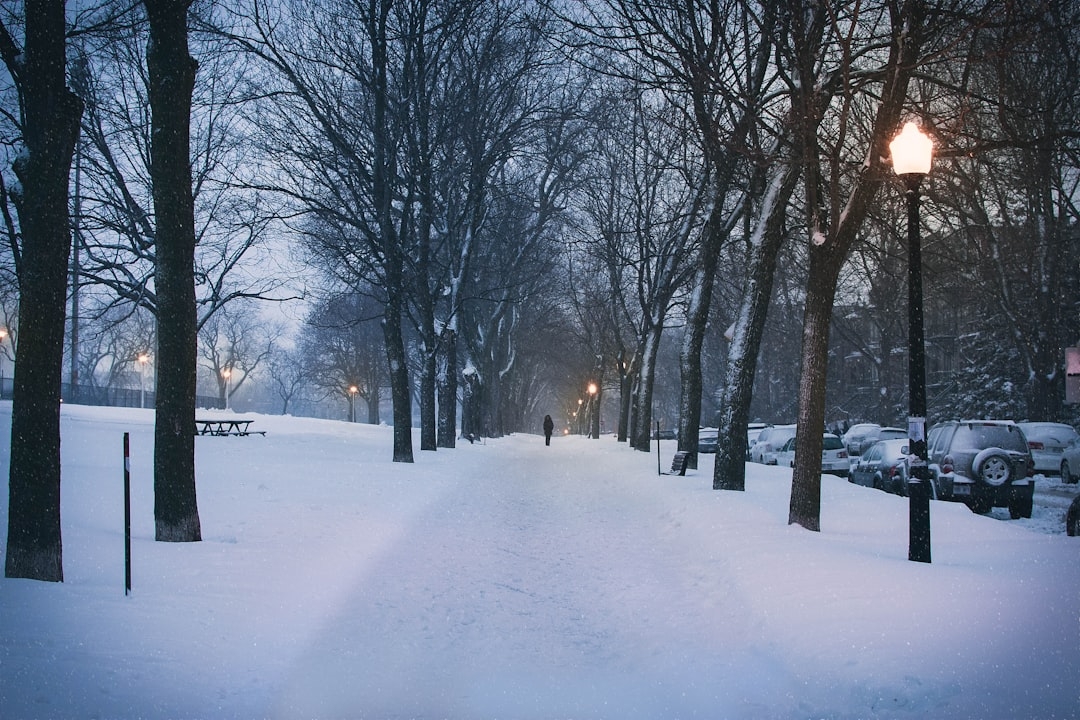
Last weekend, I experienced firsthand how unpredictable winter storms can disrupt daily life. One hour it was sunny, and the next, icy roads made driving hazardous. Now, as a new winter storm approaches a large portion of the United States, many are asking: What exactly can we expect, and how certain are these predictions?
Understanding winter storms helps us prepare and stay safe. But despite advances in meteorology, forecasting winter storms remains a complex puzzle where some pieces fit clearly, and others stay ambiguous.
What Is This Winter Storm About to Bring?
The upcoming storm is expected to blanket a huge swath of the country with snow, sleet, or freezing rain sometime this weekend. However, meteorologists still debate the exact track, timing, and intensity of the storm. The uncertainty mainly arises because this system will interact with varying temperature layers and moisture sources, which drastically influence precipitation type and amounts.
Freeze and Snow: What’s the Difference?
Freezing rain occurs when raindrops fall through a shallow layer of cold air near the surface, instantly freezing upon contact with surfaces. Snow forms when the entire atmospheric column remains below freezing, allowing ice crystals to reach the ground. This distinction matters because freezing rain creates slick surfaces, while snow accumulates differently.
Why Is There So Much Uncertainty?
Winter storms evolve in dynamic environments with several factors at play:
- Atmospheric Layers: Tiny changes in temperature at different altitudes affect precipitation type.
- Storm Track: A slight shift east or west can change which cities get heavy snow versus freezing rain.
- Surface Conditions: Pre-existing temperatures and ground moisture also impact accumulation.
Current computer models show differing scenarios for where the heaviest snow or ice will happen, which is why the exact impact remains ambiguous despite reliable general warnings.
How Does Meteorological Forecasting Handle These Complexities?
Weather models simulate the atmosphere by solving equations related to fluid dynamics and thermodynamics. They ingest vast amounts of data—such as satellite, radar, and surface observations—to predict storm development hours to days ahead.
However, the models are still limited by their resolution and by the chaotic nature of the atmosphere. Small uncertainties in initial data can magnify, making detailed predictions especially challenging for precipitation type during winter storms.
What Are Common Misconceptions About Winter Storm Forecasts?
Many assume forecasts are always precise, but winter storm prediction involves the following trade-offs:
- Snow Amounts vs. Timing: It’s easier to estimate how much moisture the storm carries than the exact timing of snowfall.
- Freezing Rain Identification: This is tougher to predict due to thin temperature layers near the surface which can be hard to detect.
- Regional Differences: Two neighborhoods a few miles apart can see completely different weather conditions, making broad forecasts challenging.
How Can You Prepare Despite the Unknowns?
Stay Informed: Continuously check reliable weather sources as updates refine the forecast.
Prepare for Multiple Scenarios: Have supplies ready for snow and icy conditions alike.
Exercise Caution: Even light freezing rain can make roads treacherous, so limit travel if possible.
Comparison: Snow vs. Freezing Rain in Impact and Preparation
| Aspect | Snow | Freezing Rain |
|---|---|---|
| Surface Conditions | Snow accumulates and can be shoveled or plowed | Creates a glaze of ice that is hard to remove |
| Driving Safety | Reduced visibility and slippery, but often manageable | Extremely hazardous due to ice on roads |
| Power Outages | Possible if heavy, wet snow accumulates on power lines | More likely, as ice coats power lines and trees causing breaks |
| Preparation | Stock snow removal tools and warm clothing | Have sand or ice melt and emergency kits ready |
What Should You Ask About This Winter Storm?
How does predicting freezing rain work?
Meteorologists monitor temperature profiles through weather balloons and computer models to identify layers of above-freezing air over cold surface air. This vertical temperature layering causes rain to fall but freeze on contact, though pinpointing exactly where remains difficult.
When should you change travel plans based on a winter storm forecast?
Alter your plans if forecasts warn of freezing rain or significant snow accumulation in your area—ideally 24 to 48 hours ahead. Wait for updated local advisories, since the situation might evolve quickly.
Key Takeaways
- The upcoming winter storm will impact a large part of the US with snow and freezing rain, but the precise outcomes are uncertain.
- Freezing rain poses a significant hazard due to rapidly forming ice on surfaces.
- Forecasting winter storms requires balancing limited data and atmospheric complexity.
- Being prepared for different scenarios is the safest approach.
Despite the unavoidable unpredictability, understanding what drives these forecasts empowers you to make informed decisions and protect yourself and your loved ones.
Next Steps: Preparing for the Storm
Take 20-30 minutes today to check your emergency supplies, update your storm plan, and review trusted local weather sources. This simple action can make a crucial difference once the storm hits.
Technical Terms
Glossary terms mentioned in this article














Comments
Be the first to comment
Be the first to comment
Your opinions are valuable to us