
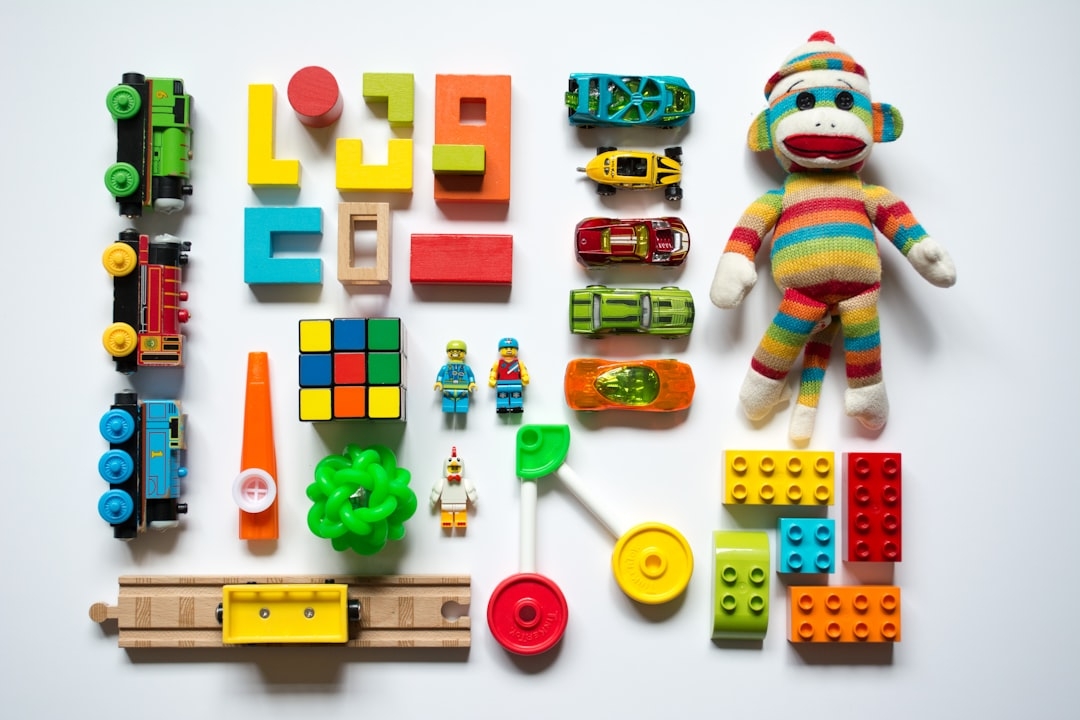
The latest installment in the beloved Toy Story franchise, Toy Story 5, is set to hit screens on June 19. This time, the film directly addresses a growing concern among parents and tech experts alike: the rise of AI-enabled, addictive toys that constantly listen to children.
At first glance, these toys seem like fun companions for kids, but the movie shines a light on the darker underside of the technology. Woody, the iconic cowboy character, even reveals a surprising new trait — he is balding. This reflects a shift not just in character design but also in storytelling that confronts modern issues.
Why Are AI-Enabled Toys Considered 'Creepy'?
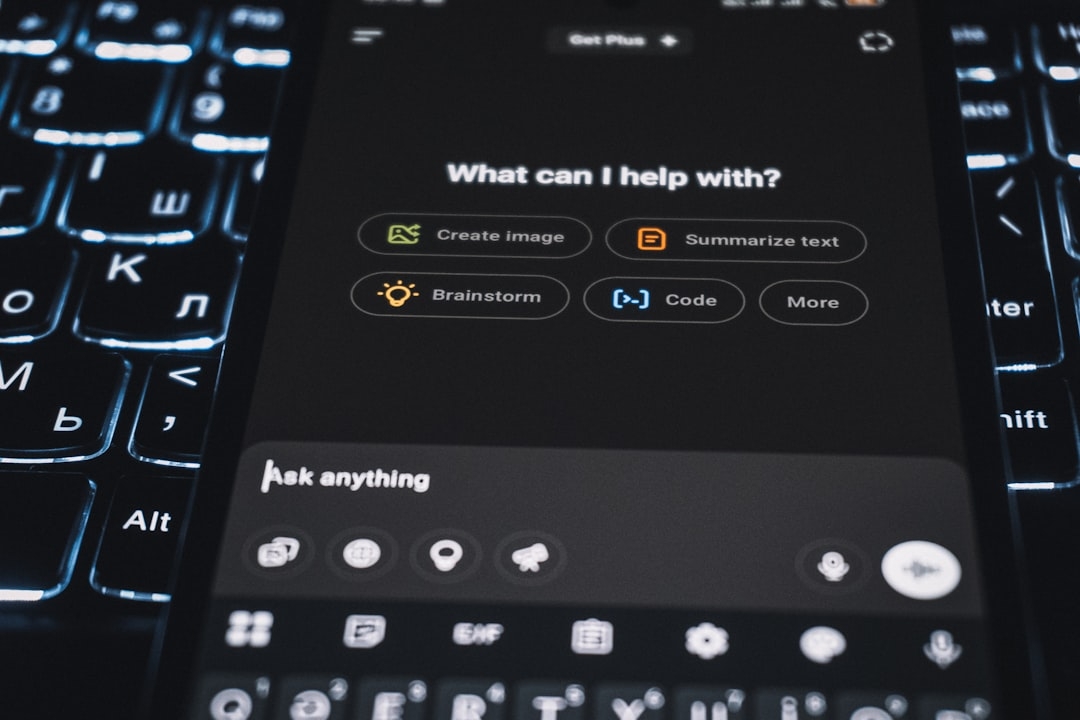
AI-enabled tablets and toys have become increasingly popular due to their ability to engage children with interactive features. These devices use artificial intelligence to respond to speech and adapt to user behavior, creating a sense of connection. However, being "always listening" raises privacy and safety concerns.
The movie highlights this by showing how these toys can sometimes overstep boundaries, blurring the line between playful assistant and intrusive surveillance device. In reality, some AI toys collect vast amounts of voice data, sparking debate about how children's information is used and protected.
What Does "Always Listening" Mean?
When a device is "always listening," it continuously monitors audio inputs to detect certain commands or keywords without an explicit activation button. This feature aims to enable seamless interaction but also means that conversations can be inadvertently recorded, raising privacy alarms. Toy Story 5 creatively dramatizes this aspect to spark awareness among audiences.
How Addictive Are These AI Toys for Children?
Addiction to screen-based toys isn’t new, but AI-enabled tablets ups the ante by tailoring content and responses to keep children engaged for longer periods. This interaction creates a feedback loop, making the toy increasingly valuable to the child and harder to put down.
In Toy Story 5, this behavior is portrayed with subtle warnings: children risk becoming overly dependent on these toys, which may impact their real-world social skills and imagination. The film urges parents and caregivers to be mindful of how much time kids spend with these devices.
Comparison: Traditional Toys vs. AI-Enabled Toys
| Traditional Toys | AI-Enabled Toys | |
|---|---|---|
| Interactivity | Physical, tactile, imaginative play | Voice recognition, adaptive responses |
| Privacy | No data collection | Potential voice/data recording |
| Addiction Risk | Lower | Higher due to personalized content |
| Cost | Varies, typically lower | Generally higher |
When Should You Be Concerned About Your Child's AI Toy?
If you feel that a toy is always listening and influencing your child’s behavior beyond play, it may be time to reassess its use. Watch for signs such as:
- Increased screen time without breaks
- Reduced interest in traditional play or socializing
- Expressions of anxiety or fear tied to the toy
Understanding these warning signs lets you take action before small concerns become bigger issues.
What Can Parents Do to Manage AI Toy Use?
Managing your child’s interaction with AI toys involves a mix of awareness and practical steps. Here’s how you can approach it:
- Set Clear Boundaries: Limit daily use and enforce screen-free times.
- Choose Smart Toys: Opt for devices with transparent data policies and parental controls.
- Talk Openly: Discuss with your child what’s safe and what’s not.
- Monitor Behavior: Keep an eye on how the toy affects mood and interactions.
Hybrid Approach: Balance Between Tech and Traditional Play
Combining AI toys with traditional ones can harness technology benefits while minimizing risks. This balance encourages creativity without overexposure to potentially addictive features.
Why Is Woody Balding in Toy Story 5?
Woody’s new balding look symbolizes the shift in the narrative focus of Toy Story 5. It reflects physical change and aging, subtly mirroring deeper themes about technology's impact on childhood and play.
This small but significant detail adds realism and maturity to the character, linking the fictional story to real-world conversations about how toys evolve — both literally and figuratively.
Final Thoughts on Toy Story 5's Message
Toy Story 5 is more than just entertainment; it is a reflection on how addictive, AI-enabled toys are changing the landscape of childhood. It challenges you to question the tech your kids interact with daily and consider privacy and dependency risks.
By recognizing these issues, you can make informed decisions, ensuring that toys remain a source of joy, creativity, and healthy development.
Take Action: Spend 20-30 minutes today reviewing your child's AI toys. Check their settings, data policies, and monitor usage. This simple step can help you safeguard your child's playtime and privacy.
Technical Terms
Glossary terms mentioned in this article






Comments
Be the first to comment
Be the first to comment
Your opinions are valuable to us