
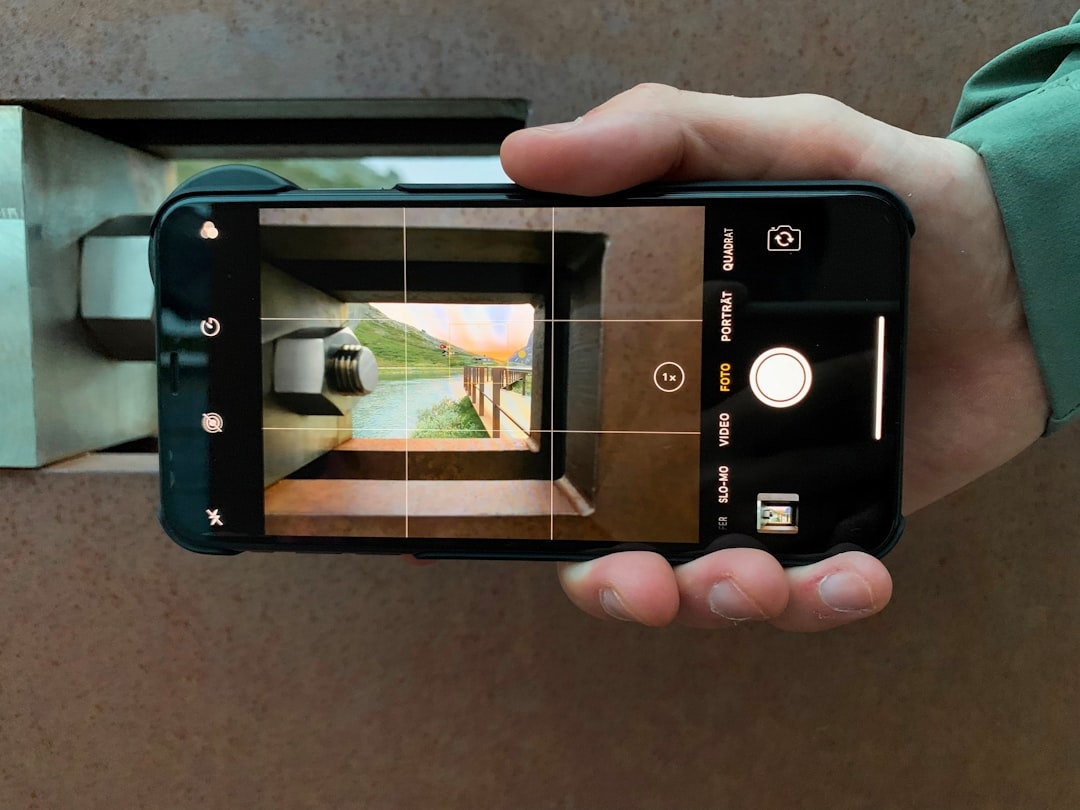
In an era where mobile devices dominate, the way we consume video content is evolving rapidly. Traditional video players optimized for landscape videos no longer serve the majority of users who prefer portrait mode, especially on platforms like X. Understanding this shift, X has recently launched an immersive video player designed exclusively to elevate the viewing experience of vertical videos.
What Is X’s New Immersive Video Player?
X’s latest update introduces a video player tailored for vertical or portrait-oriented videos, which are videos shot with the height longer than the width, optimized primarily for mobile devices. This player offers a more engaging, full-screen experience that aligns naturally with how most users hold their phones, eliminating the need for awkward rotations.
Vertical video, initially popularized on social media platforms like Instagram Stories and TikTok, has now become a staple content format. X’s update is a clear indication of their commitment to this format’s future potential and user demand.
How Does the Vertical Video Player Work?
The new player is engineered to maximize screen real estate for vertical videos on smartphones and other mobile devices. When a user taps on a vertical video, the player automatically switches to a full-screen immersive mode, removing unnecessary interface distractions such as sidebars or landscape video controls.
This player supports smooth playback controls, allowing users to pause, rewind, or skip without breaking the vertical video’s flow. It also intelligently adapts video quality based on network conditions, ensuring minimal buffering even on slower mobile connections.
Why Is This Update Important for Mobile Users?
Most mobile users hold their phones vertically, making traditional landscape-focused video players less intuitive and often frustrating. X’s immersive player reduces these pain points by:
- Providing a natural, one-handed viewing experience without requiring phone rotation
- Enhancing content immersion by using the entire screen dedicated to the vertical video
- Improving engagement metrics as vertical videos tend to keep viewers’ attention better on mobile
In a world where attention spans are short, and mobile usage is dominant, this update aligns well with current consumer behavior.
Practical Considerations: What Challenges Does This Approach Bring?
While the update promises a smoothed-out vertical video experience, it is not without caveats. Companies and creators need to consider:
- Content Production Costs: Producing vertical videos might require different equipment, framing techniques, and editing workflows compared to traditional horizontal content.
- Compatibility: Although optimized for mobile, not all users consume content primarily on their phones. Desktop or large screen users may find vertical videos less appealing or harder to engage with.
- Adaptation Risks: Brands and creators heavily invested in landscape video might face transitional challenges adapting to this format, potentially affecting their reach or analytics.
When Should You Use Vertical Video on X?
Vertical video is particularly effective for quick, engaging stories, live streams, and content targeting younger, mobile-first audiences. It’s advisable to use this video format when:
- Your target demographic consumes most content via smartphones
- You want to provide an immersive, distraction-free viewing experience
- Your content is designed for short attention spans with quick, impactful messaging
However, for detailed tutorials, cinematic productions, or presentations, landscape video may still offer a better framing and wider visual context.
How Is This Different From Other Platforms?
While platforms like TikTok and Instagram have long championed vertical video players, X’s move is significant because of its traditionally text and landscape-video-driven legacy. The shift demonstrates an acknowledgment of evolving consumption patterns and attempts to stay competitive.
The difference lies in the integration of this immersive vertical player directly into a platform that has broad content diversity, not solely short videos. X aims to make vertical video a first-class citizen without sacrificing its broad content base.
What Are the Trade-Offs?
Every design choice involves trade-offs. For X:
- Vertical videos can reduce production complexity for mobile creators but might alienate audiences preferring landscape content.
- Immersive vertical players enhance engagement but require a user’s full attention, which might not suit multi-tasking environments.
- Technical optimizations may favor mobile speed but could complicate video delivery across different devices and networks.
Understanding these limitations is critical for creators and brands considering how best to deploy their video content on X.
Practical Evaluation Framework for Your Context
Before adopting X’s new vertical video player for your content, consider the following checklist you can complete within 10 to 20 minutes:
- Audience Device Preferences: Analyze what percentage of your audience accesses content on mobile devices.
- Content Format Suitability: Assess if your videos can naturally fit a vertical aspect ratio without losing essential visual information.
- Production Capability: Determine if your team has the resources and skills to produce effective vertical video content.
- Engagement Goals: Define if immersive vertical viewing aligns with your user engagement or conversion objectives.
- Testing Plan: Plan a small-scale test campaign using vertical videos to evaluate performance before full rollout.
This pragmatic approach helps avoid costly missteps while leveraging the benefits of X’s new immersive video player successfully.
Conclusion
X’s latest update betting on vertical video with its immersive player is a response to undeniable shifts in content consumption habits. By prioritizing mobile-friendliness and portrait orientation, X addresses a significant gap in user experience that many platforms neglect.
However, adopting this format requires cautious evaluation of your audience’s preferences and production capabilities. The update is a step forward for mobile video but comes with trade-offs that must be managed carefully to realize its full potential.
Technical Terms
Glossary terms mentioned in this article













Comments
Be the first to comment
Be the first to comment
Your opinions are valuable to us