

TechCrunch Founder Summit Week 2026 in Boston is one of the most awaited gatherings for startup founders, investors, and influential tech leaders, drawing a crowd of over 1,100 participants. For companies or organizations hoping to tap into this energy, hosting a Side Event during this week offers an unmatched opportunity for networking, brand exposure, and thought leadership.
However, hosting a successful event alongside such a major conference isn’t as simple as booking a venue. Based on firsthand experience and insights, this article walks through the key considerations and practical steps necessary to pull off a compelling and effective Side Event during TechCrunch Founder Summit Week.
Why Should You Consider Hosting a Side Event?
Hosting a Side Event provides direct access to a curated audience of influential startup founders, venture capitalists, and industry leaders. Unlike the main conference, where attendees are juggling packed schedules, a well-planned Side Event can foster deeper conversations and more meaningful connections.
In practical terms, your event can position your brand as an industry connector or innovator while allowing you to tailor messaging specifically to attendee interests. However, this benefit comes with challenges like competing for attention, logistics management, and ensuring you achieve a tangible ROI.
What Are the Critical Challenges When Hosting a Side Event?
organizers should be aware of common pitfalls to avoid wasting resources or missing the mark:
- Timing Conflicts: The Founder Summit Week is packed with keynote sessions and networking events. Scheduling your Side Event at a conflicting time will drastically reduce attendance.
- Venue Selection and Accessibility: Choosing a venue close to the main conference hub in Boston reduces friction and maximizes spontaneous participation.
- Audience Engagement: Simply inviting attendees is insufficient. Crafting valuable content or experiences is key to attracting and retaining participant interest.
- Logistical Complexity: Managing registrations, tech setups, catering, and transportation requires a dedicated operational plan.
How Do You Effectively Plan and Promote Your Side Event?
Success hinges on meticulous planning and targeted outreach. Here are essential steps to follow:
- Define Clear Objectives: Are you aiming for branding, lead generation, or community building? This shapes every other decision.
- Secure a Convenient Venue: Proximity and atmosphere matter. Many past organizers have reported that venues within a 10-minute walk of the summit see greater turnout.
- Leverage Partnerships: Collaborate with startups, investors, or service providers from the community to co-host or sponsor, sharing both risk and promotion.
- Early Promotion: Since attendees plan ahead, announce your event at least 6-8 weeks prior. Utilize TechCrunch’s own channels, social media, and relevant newsletters.
- Create Engaging Content: Panels, demos, fireside chats, or interactive workshops resonate well, especially when focused on trending startup issues.
What Real-World Benchmarks Can Guide Your Expectations?
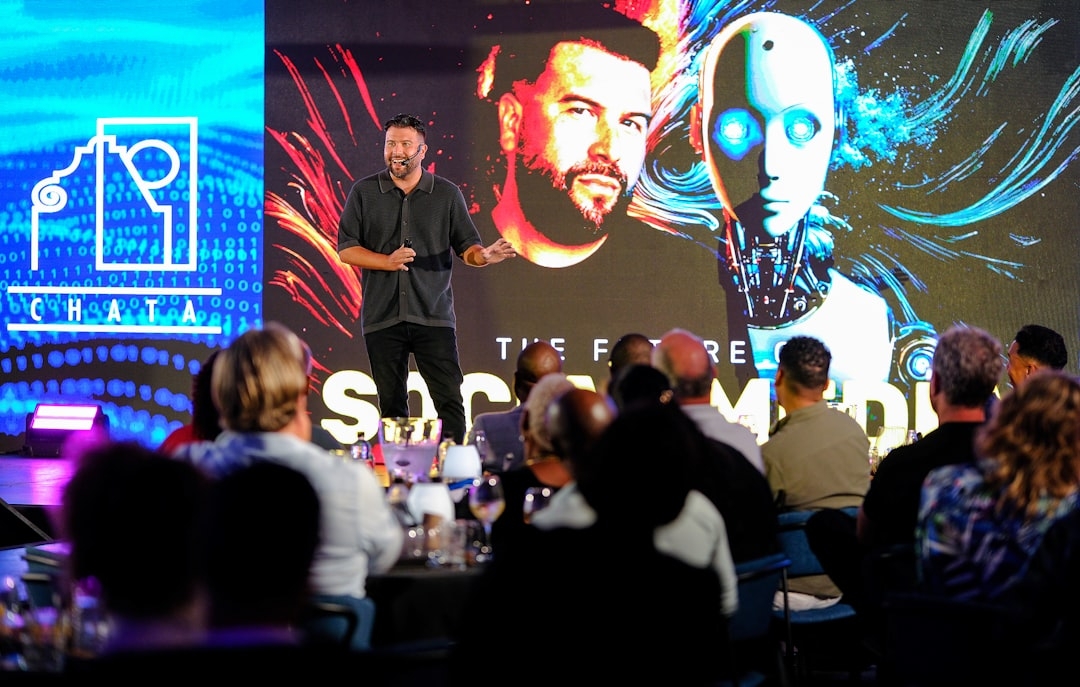
From previous TechCrunch adjacent events, organizers report typical attendance ranging from 50 to 200 people, depending on event type and promotion effort. A 60-90 minute format with a clear agenda tends to maintain engagement better than open-ended networking.
Costs can also vary widely. Venue rentals in Boston downtown average $2,000-$5,000 per evening, while catering and tech services can add $1,000-$3,000 more. Budgeting for professional event management support often pays off.
What Are Some Proven Implementation Tips?
Based on a direct involvement in multiple Side Events during similar large-scale summits, here are actionable recommendations:
- Integrate with the Main Summit Schedule: Coordinate timing to avoid direct clashes with headline sessions or popular parties.
- Offer Value-Added Experiences: Consider giveaways, expert Q&A sessions, or hands-on product trials to stand out.
- Optimize Check-In Procedures: Use digital ticketing for quick entry and data capture. This assists in follow-ups and measuring success.
- Plan for Follow-Up: Collect attendee contact information ethically and send personalized messages recapping highlights or next steps within 48 hours.
How Can You Assess the Success of Your Side Event?
Common metrics include attendance rates, engagement levels during sessions, social media mentions, and leads generated. However, qualitative feedback from participants often reveals more about event impact and areas to improve.
Being pragmatic means recognizing that no event will have perfect attendance or engagement. Prioritize learning and adapting your approach for future opportunities.
Quick Evaluation Checklist for Hosting Your Side Event
- Do you have a clearly defined goal?
- Have you selected a venue within comfortable distance from the main summit?
- Is your event schedule mindful of the Founder Summit agenda?
- Have you prepared engaging, relevant content?
- Are promotion channels identified and scheduled early?
- Is your budget realistic for venue, catering, and tech?
- Do you have a plan to capture and utilize attendee data post-event?
Approaching your Side Event with this framework allows you to make a rapid, informed decision within a short timeframe—typically 10-20 minutes to assess feasibility and alignment with your objectives.
Ultimately, a Side Event during TechCrunch Founder Summit Week 2026 offers the chance to amplify your presence among a concentrated group of startup ecosystem players. It requires balancing ambition with realistic planning, clear goals, and an understanding of the competitive event landscape.
Technical Terms
Glossary terms mentioned in this article











Comments
Be the first to comment
Be the first to comment
Your opinions are valuable to us