
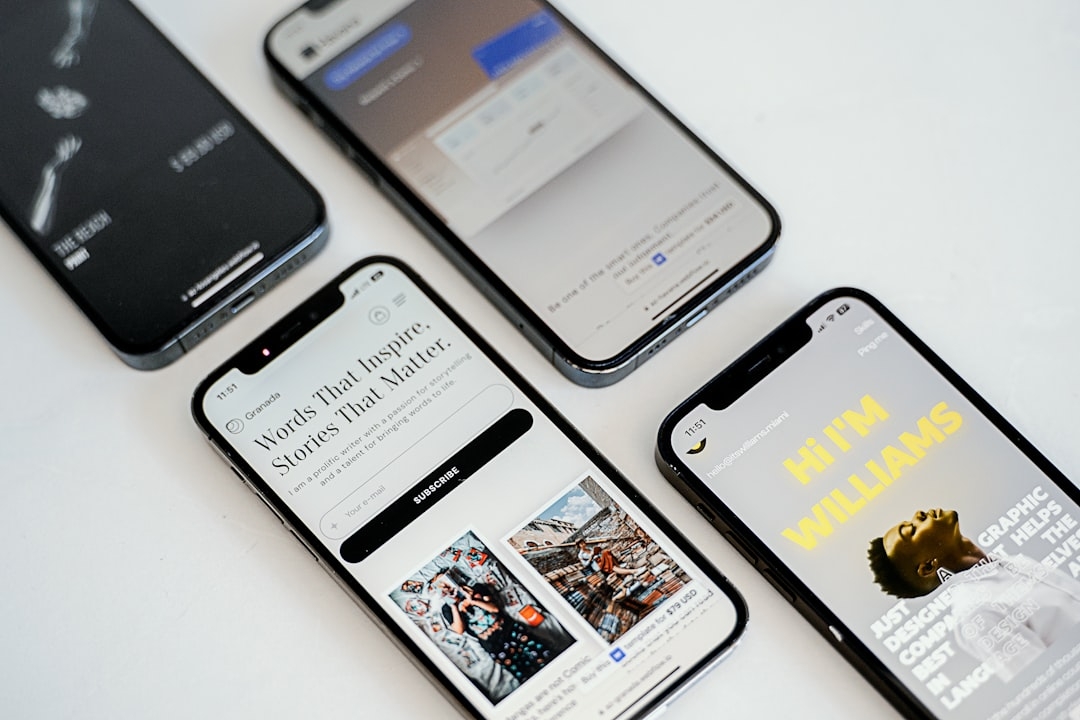
Did you know that Apple’s App Store is no longer the only option for iPhone users in the European Union? Following regulatory changes, several alternative app stores have become available, reshaping the app ecosystem that was dominated by Apple for over a decade.
This shift matters because it introduces users to more choices, potentially better prices, and new distribution methods for their favorite apps. But navigating these options requires understanding how these stores work, their pros and cons, and what to expect when stepping outside Apple's familiar environment.
What Are Alternative App Stores for iPhones?
Traditionally, iPhone users have been tied to the Apple App Store—a curated platform with strict rules governing app approval, pricing, and security. Alternative app stores are third-party marketplaces that let users download and install apps without going through Apple’s system. This concept may feel familiar to Android users, but for iPhones, it's a recent development mainly due to legal changes in the EU aimed at increasing competition.
These stores allow developers to distribute apps with fewer restrictions, which can mean lower prices or different app versions unavailable on Apple’s store. However, it also raises questions about security risks and app quality that Apple traditionally controls.
How Does Using an Alternative App Store Work?
Unlike Android, iOS doesn’t natively support sideloading apps or adding new stores easily. To use an alternative store, users typically need to install a special app or profile that gives permission to download and run apps from outside the Apple ecosystem.
In the EU, stores like Aptoid, F-Droid, and even Apple’s new "Alternate App Store" framework have emerged. These platforms often come with their own apps that act as marketplaces, featuring apps either not present or differently packaged compared to Apple’s store.
Here are some practical points about using these stores:
- Installation hurdles: You might need to adjust security settings manually.
- App updates: Some alternative stores support auto-updates, but not always seamless as Apple’s.
- Security: Since Apple no longer vets these apps, the risk of untrusted software rises, so users must stay cautious.
Which Alternative App Stores Can iPhone Users in the EU Try Today?
Currently, the most notable options include:
- Aptoid: Long popular in Android markets, Aptoide has launched a version for iOS in the EU. It offers a wide range of apps, often at discounted prices.
- F-Droid: Known for its open-source Android apps, F-Droid is exploring iOS availability, focusing on privacy-friendly apps.
- Amazon Appstore: Although mostly Android-centric, reports suggest Amazon is eyeing iOS expansion, pending regulatory compliance.
- Apple’s Alternate App Store framework: Apple has announced mechanisms to allow apps to link to alternative payment methods, and new store support in the EU.
Each option reflects a trade-off between convenience, app variety, pricing, and trust. Apple’s store remains the most straightforward, but its alternatives introduce flexibility previously unavailable.
What Are the Trade-Offs When Using Alternative Stores?
Moving away from Apple’s App Store can seem liberating, but here’s what you should consider:
- Security risks: Apple uses strict app review processes; alternative stores may have less stringent checks, heightening risks of malware or privacy breaches.
- App quality and updates: Apps might be outdated or incompatible, as developers primarily target Apple’s store.
- User experience: Alternative stores might lack polish or integration; expect occasional bugs or confusing navigation.
- Legal and warranty considerations: Apple’s warranty may restrict service if devices are jailbroken or sideloading is detected.
When Should You Use an Alternative App Store?
If you are seeking apps Apple restricts or want to avoid Apple’s fixed fees and policies, it might be worth exploring alternatives. Tech enthusiasts and developers will find these stores an interesting playground for less conventional apps and customization options.
However, if your priority is security, reliability, and seamless app management, sticking to Apple’s App Store remains the safest route. Most users won’t notice significant benefits from switching unless a particular app or pricing advantage motivates them.
Real-World Insights and Performance Benchmarks
From experience, the biggest hurdle in alternative stores is the user onboarding. iPhones aren’t designed for this flexibility yet, so installing alternative app stores often feels cumbersome, sometimes requiring multiple steps, including trusting new developer profiles in system settings.
On download speeds and update frequency, these stores perform variably. For example, Aptoid’s iOS version in late 2023 showed decent download speeds compared to regional Apple server slowdowns, but update notifications lagged behind Apple’s App Store by a few days.
Developers who publish in multiple stores must manage parallel submissions, potentially fragmenting user reviews and update cycles, impacting app credibility.
Checklist: How to Decide if an Alternative App Store Is Right for You
Use this decision matrix to evaluate your needs in about 20 minutes:
- Do you need apps unavailable on the Apple App Store?
- Are you comfortable changing device security settings (e.g., trusting third-party profiles)?
- Is saving money on app prices or subscriptions a priority?
- Are you willing to accept some risk around security and app stability?
- Do you have basic troubleshooting skills for issues with app updates or installation?
If most answers lean towards "yes," give an alternative app store a try, starting with well-reviewed options like Aptoid for iOS in the EU. Otherwise, continue enjoying the ecosystem you know.
Final Thoughts
The introduction of alternative app stores in the EU marks a significant shift, presenting a new landscape where choice and control over apps increase for iPhone users. While this opens doors, it also demands caution to avoid security pitfalls and usability issues.
Ultimately, the path you choose depends on your priorities: maximum security and ease or wider choice and potential savings. With the tools and considerations laid out here, you can make a well-informed decision that fits your real-world usage, not just theory.
Technical Terms
Glossary terms mentioned in this article









Comments
Be the first to comment
Be the first to comment
Your opinions are valuable to us