
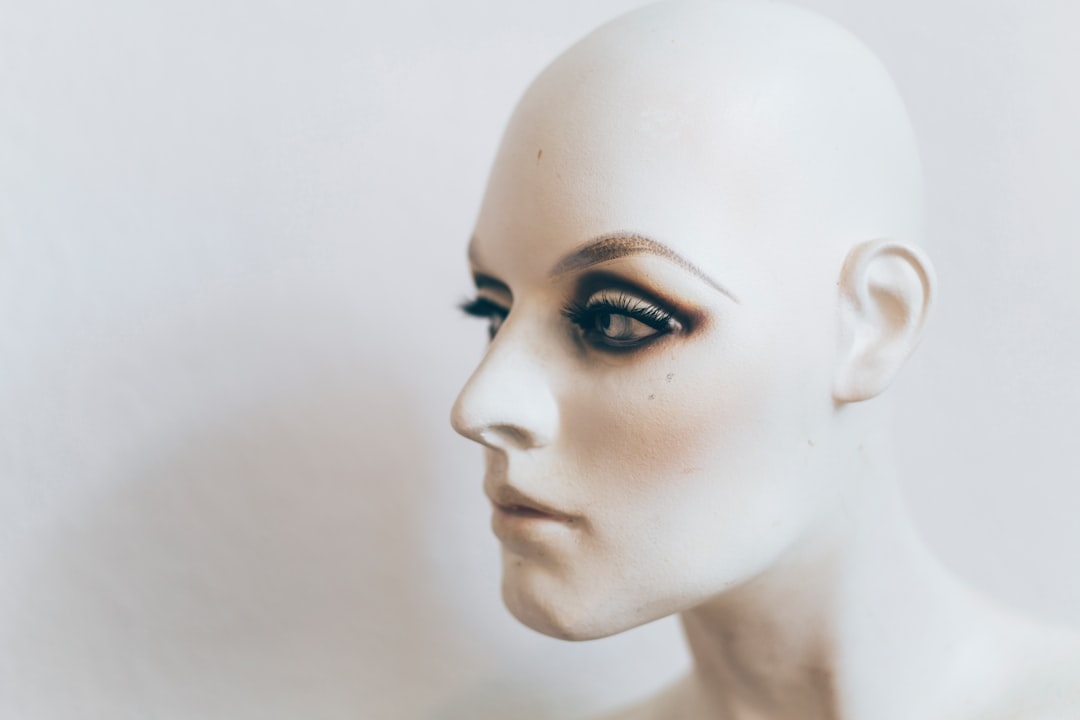
Baldness affects millions globally, yet solutions remain limited. Artificial intelligence (AI) has recently entered this space, promising breakthroughs from predictive models to treatment personalization. But if you compare it to more traditional methods like dermatology visits or hair transplants, how does AI really stack up? Having witnessed some AI projects on baldness firsthand, I can say the outcomes are far from flawless — and understanding the nuances is key to knowing when to trust AI.
What problem does AI try to solve in baldness research?
At its core, **baldness is about hair follicle health and genetics**. The most common form, androgenetic alopecia, is influenced by genetic factors and hormones. Diagnosing baldness early and predicting how it might progress are challenges for doctors. AI enters by attempting to analyze scans, photos, and genetic data to forecast hair loss or recommend treatments faster and often more cheaply than traditional means.
Another angle AI targets is treatment personalization. Instead of a one-size-fits-all solution, AI aims to propose customized regimens based on individual data patterns, which can include scalp images, age, lifestyle, and genetics.
Why does it matter whether AI can accurately predict or treat baldness?
There’s a huge emotional and financial cost linked to hair loss. Men and women invest heavily in treatments that often deliver inconsistent results. If AI could reliably predict who will lose hair and suggest effective preventive steps, it would be a game changer.
On the flip side, **overpromising AI capabilities risks false hope or wasted money on ineffective products**. Many startups have jumped into AI-powered hair diagnostics and remedies without enough clinical validation, resulting in consumer confusion and distrust.
How does AI work to predict or treat baldness?
In practice, AI methods fall into two main camps:
- Image-based analysis: Machine learning models analyze scalp photos to detect hair thinning patterns and predict progression. This requires large datasets of labeled images for training.
- Genetic and data-driven models: AI examines genetic markers linked to hair loss and combines them with demographic and lifestyle data to forecast risk and suggest treatment routes.
For example, convolutional neural networks (CNNs) can classify hair density or scalp condition from photos, while decision trees or neural networks may aggregate genetic info and patient history.
However, these approaches face issues such as data diversity. Models trained mostly on male, Caucasian images struggle with other ethnicities or females, reducing accuracy.
When should you use AI for baldness prediction or treatment?
From what I’ve seen in deployments, AI services are most helpful as adjunct tools rather than standalone solutions. Use cases where AI shines include:
- Early-stage hair loss monitoring: AI can detect subtle scalp changes faster than the naked eye, helping identify initial thinning phases.
- Supplementing dermatological assessments: AI-generated reports help doctors review and track hair loss over time, improving documentation.
- Consumer education: Apps scanning photos can provide risk alerts and encourage professional consultation early on.
But beware when:
- AI promises absolute diagnosis or cure without clinical backing.
- Models don’t disclose their limitations or dataset biases.
- You rely solely on AI apps without consulting qualified medical professionals.
What are the trade-offs when deploying AI solutions in baldness research?
Implementing AI isn’t just about accuracy. Consider these factors:
- Data quality and diversity: Lack of diverse training data leads to poor model generalization. In my experience, many AI apps falter on less-represented groups, giving misleading results.
- User privacy and ethics: Scalp images and genetic data are sensitive. Any AI system must ensure secure data handling and clear user consent.
- Overfitting to superficial features: Some AI models learn to guess baldness just based on head shape or bald spots that are obvious anyway — this doesn’t help early detection.
- High expectations vs real-world efficacy: Commercially, AI tools hype their scoring or prediction metrics, but actual clinical impact can be minimal without follow-through treatment validation.
The balance is tricky. A too-complex AI model might be impressive technically but useless if it cannot be explained or trusted by clinicians and patients alike.
How have real-world AI applications performed on baldness?
A few years back, I helped evaluate an AI startup claiming 85% baldness prediction accuracy using scalp photos. Initial tests looked promising, but deployed in a broader user base, the accuracy dropped to near 60%, especially with females and non-Caucasian users. The model overfitted the training set and did not generalize well.
On the treatment side, AI-driven skincare products recommended based on AI analysis had modest user satisfaction, mainly because hair loss causes vary so much individually, and an AI's “one recipe” approach often missed key medical nuances.
That said, some emerging AI tools integrated with dermatologist supervision have shown improved patient engagement and compliance by providing personalized progress tracking, which is a meaningful contribution.
What should you consider when choosing an AI solution for baldness?
Here’s a straightforward checklist to evaluate options:
- Does the AI model leverage a diverse and clinically validated dataset? Beware of narrow training data.
- Is the AI tool transparent about its limitations and accuracy metrics?
- Does it have medical professional involvement for diagnosis or treatment guidance?
- Is user data handled securely with informed consent?
- Are predictions or recommendations explainable and easy to understand?
- Does the system support ongoing monitoring, not just one-time snapshots?
Next steps: Deciding whether to use AI for baldness
If you're considering AI hair loss tools, allot 15-25 minutes to complete this decision matrix:
- Assess your goal: Early detection? Treatment guidance? Tracking progress?
- Check vendor claims: What accuracy and validation data do they provide?
- Confirm data privacy: Review terms on image and genetic data usage.
- Plan human oversight: Will a doctor review AI results?
- Evaluate costs: Free apps vs paid services with medical input.
- Test user experience: Try demos and check how easy it is to interpret results.
AI is a helpful companion in baldness research but far from a silver bullet. By critically evaluating options based on these trade-offs, you can avoid hype and make more informed choices.
Technical Terms
Glossary terms mentioned in this article











Comments
Be the first to comment
Be the first to comment
Your opinions are valuable to us