
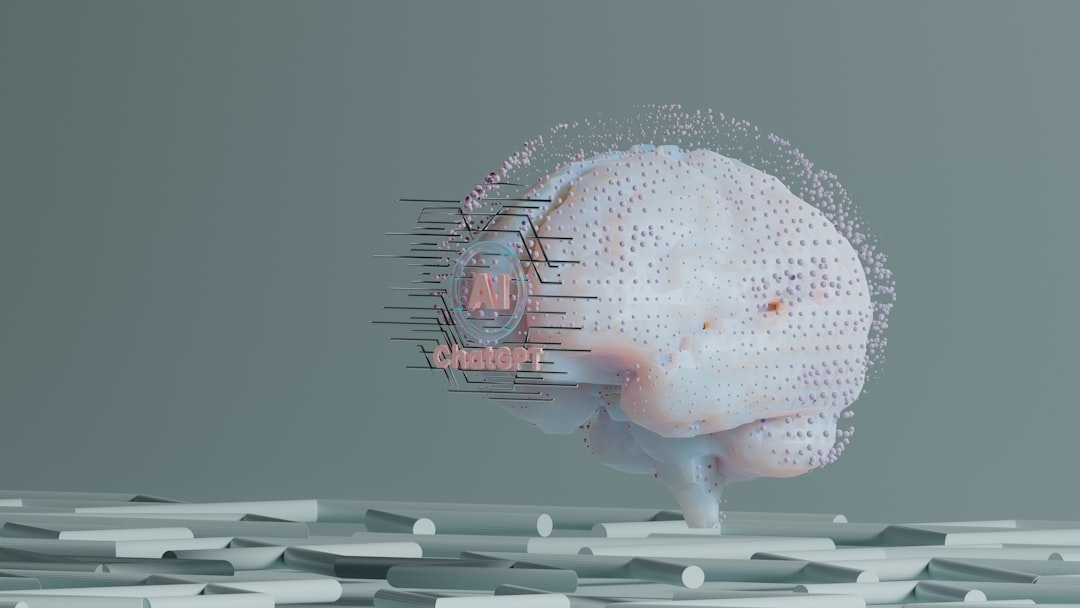
Have you ever wondered what it truly means to enhance human capability through technology? OpenAI's recent investment in Merge Labs puts this question front and center by backing brain-computer interfaces (BCIs) designed to merge biological intelligence with artificial systems.
This article unpacks the journey toward these futuristic interfaces, evaluates the challenges encountered along the way, and clarifies how this technology might alter the landscape of human experience and agency.
How Does Merge Labs’ Brain-Computer Interface Work?
At its core, a brain-computer interface (BCI) is a technology that connects the human brain directly with external devices, allowing for communication without traditional physical interaction. Merge Labs’ approach advances this connection by creating seamless pathways between organic neural networks and artificial intelligence systems.
Picture it like upgrading a smartphone’s operating system—not with software alone but by integrating your brain’s signals directly with AI, enabling faster, richer exchange of information. This interface promises to maximize human abilities beyond the limits of standard tools.
Technically, such BCIs translate electrical signals from neurons into digital data, which AI can interpret and respond to in real time. This process demands precision hardware and sophisticated algorithms to avoid misinterpretation and latency issues, challenges that have hindered past efforts.
When Should You Consider Investing in Emerging Brain-AI Technologies?
Despite their promise, BCIs are far from plug-and-play solutions. Based on experience watching early-stage technologies unfold, it’s clear that timing and context are everything. Investing too early could mean encountering unrefined prototypes with limited use cases or unpredictable side effects.
However, if your focus is on high-impact innovation, especially in sectors like healthcare, productivity enhancement, or immersive experiences, this technology's potential is significant. OpenAI’s support of Merge Labs reflects a recognition that bridging biological and artificial intelligence could eventually unlock entirely new workflows, cognitive capabilities, and ways humans interact with machines.
Be skeptical of hype: many past attempts at BCIs stumbled over technical roadblocks like signal noise, invasive procedures, or user discomfort. The real test will be whether Merge Labs can deliver a reliable, user-friendly interface that justifies the investment.
What Trade-Offs Should You Expect?
- Privacy Concerns: Direct brain-device links raise questions about data security and mental privacy. How much control will users have over their neural data?
- Technical Complexity: The systems require advanced hardware and deep learning models functioning flawlessly in real time—a difficult balance to strike.
- Adoption Barriers: Medical and regulatory approvals, cost of entry, and societal acceptance can delay or limit deployment.
Each trade-off resembles choosing between a new smartphone with groundbreaking features but shorter battery life versus a reliable older model. It’s a matter of assessing your tolerance for risk against potential upside.
What Finally Made Brain-Computer Interfaces Work at Merge Labs?
From an insider’s perspective, the breakthrough came from a combination of improved sensor technology and AI algorithms that learn to adapt to individual users' unique brain patterns. Previous BCI projects often failed due to generic one-size-fits-all models, but Merge Labs’ customized approach leverages continuous feedback loops to enhance accuracy.
Think of it like tuning a finely crafted musical instrument: small adjustments make all the difference between noise and harmony. This user-centric refinement reduces errors, boosts responsiveness, and enhances usability in real-world contexts.
Key Takeaways for Navigating Brain-AI Interfaces
- Don’t rush: Evaluate readiness carefully before committing.
- Understand your use case: Are you looking for cognitive augmentation, medical rehabilitation, or novel interfaces? The application shapes your approach.
- Prioritize ethical frameworks: Privacy and autonomy must guide development and deployment.
- Stay informed: Technology evolves quickly; remain adaptable in your strategy.
The collaboration between OpenAI and Merge Labs highlights a burgeoning frontier where artificial intelligence not only assists but becomes an extension of human cognition. Its success is still contingent on overcoming significant technical and ethical challenges, but the pathway is clearer than ever.
Decision Checklist: Should You Embrace Brain-Computer Interface Innovations Now?
Here’s a practical checklist to assess readiness in 15-25 minutes:
- Identify your primary goal: What problem are you attempting to solve with BCIs?
- Evaluate your risk tolerance: Are you prepared for early-stage technology limitations?
- Consider privacy requirements: How will you secure and manage neural data?
- Assess budget and resources: Do you have access to technical expertise and financial capacity?
- Review ethical implications: Are policies in place for user consent and autonomy?
- Monitor technology maturity: Check current performance benchmarks and user feedback.
Taking these steps ensures a grounded approach, avoiding the pitfalls of hype while remaining open to the transformative potential of brain-computer interfacing backed by OpenAI and Merge Labs.
Technical Terms
Glossary terms mentioned in this article










Comments
Be the first to comment
Be the first to comment
Your opinions are valuable to us