
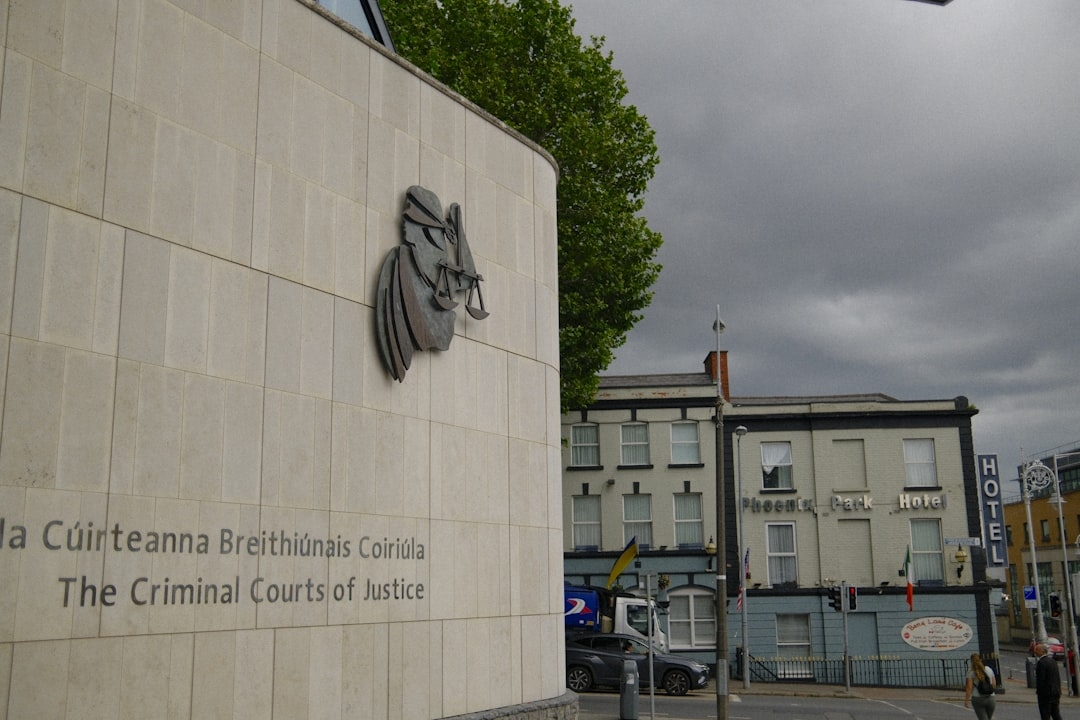
The Irish government has announced plans to enact a new law that would permit law enforcement agencies to use spyware technology to fight serious crime. This proposal aims to expand police surveillance capabilities while simultaneously safeguarding citizens' privacy rights.
As technology evolves, so do the tools available to law enforcement. However, deploying spyware raises complex questions about privacy, civil liberties, and the limits of surveillance in a democratic society.
What Does the Proposed Law Entail?
The legislation would empower police to deploy spyware—software designed to infiltrate devices and access information without the user’s knowledge—in investigations involving serious offenses. This includes crimes such as organized crime, terrorism, and digital fraud.
Spyware enables law enforcement to:
- Monitor communications in real time.
- Gather evidence from encrypted or protected devices.
- Track suspects beyond traditional investigative methods.
While these powers provide significant investigative advantages, the law also emphasizes safeguards for privacy rights. This includes judicial oversight, strict usage criteria, and limits on data retention to prevent misuse.
How Does Spyware Work in Law Enforcement?
Spyware refers to software secretly installed on a target’s device to collect data, which can include text messages, emails, passwords, location data, and more. Unlike traditional surveillance such as wiretaps, spyware allows deeper access to an individual's digital life.
For law enforcement, spyware is a powerful but intrusive tool. It bypasses common security measures and penetrates encrypted environments, which are often barriers in digital investigations.
However, the technology carries risks of overreach. Misapplication can lead to violations of privacy, unwarranted data collection, and potential technical vulnerabilities that affect broader systems.
Why Is This Proposal Controversial?
The debate hinges on weighing security needs against privacy protections. Critics argue that spyware use can easily lead to abuse without strong safeguards. There is concern over the potential for mass surveillance or hacking beyond intended cases.
On the other hand, law enforcement officials point out the increasing sophistication of criminals who use encrypted and anonymized channels to evade traditional detection. Spyware offers a way to close these gaps.
Key controversies include:
- The scope of offenses justifying spyware deployment.
- Judicial authorization processes.
- Transparency and accountability mechanisms.
- Technical oversight to prevent collateral data collection.
When Should Police Use Spyware?
Spyware should be deployed only in cases where less intrusive methods fail and serious crimes are involved. The law explicitly aims to restrict use to organized crime, terrorism, and significant digital offenses.
Judicial approval is mandatory before spyware can be activated. This judicial oversight acts as a crucial check, ensuring law enforcement meets stringent standards before intercepting digital data.
Additionally, strict data handling and retention policies accompany the use, helping to protect innocent parties' privacy and limit exploitation.
What Are the Trade-Offs Between Security and Privacy?
This law represents a delicate balance. Expanding surveillance capabilities enhances the state's power to protect citizens from high-level threats. But as history shows, granting sweeping surveillance tools often risks infringing on civil liberties.
Benefits include:
- Better access to digital evidence where traditional methods fall short.
- Increased ability to disrupt organized crime and terrorist activities.
- Enhanced real-time intelligence gathering.
Risks involve:
- Potential for intrusive mass data collection.
- Challenges ensuring accountability and preventing misuse.
- Possibility of technical vulnerabilities harming innocent users.
A strong legal framework with clear limits and oversight is essential. The Irish proposal attempts this by combining spyware powers with mandatory judicial controls and privacy protection measures.
Quick Reference: Key Takeaways
- Law goal: Allow police use of spyware against serious crime while protecting privacy.
- Spyware: Software accessing data remotely, bypassing normal security.
- Use cases: Organized crime, terrorism, major digital offenses.
- Safeguards: Judicial warrants, limited data retention, transparency.
- Trade-offs: Enhanced security versus privacy risks.
What Should Citizens and Policymakers Consider?
Citizens must understand both the security benefits and privacy implications. Policymakers should craft legislation that:
- Strictly limits spyware use cases to high-threat scenarios.
- Ensures robust judicial oversight before deployment.
- Mandates transparency reports and accountability mechanisms.
- Implements technical safeguards to avoid over-collection and data breaches.
Only through these balanced measures can spyware become a tool that serves justice without eroding fundamental freedoms.
How to Evaluate the Impact of This Legislation?
Assessment should focus on the law’s effect on crime prevention and the protection of privacy rights post-enactment. Ongoing independent audits and public reporting will be critical.
Monitoring the use of spyware in practice offers lessons on its effectiveness and whether safeguards adequately prevent abuse.
As with any surveillance technology, constant vigilance is required to keep powers in check.
Your Spyware Use Decision Checklist
If tasked with deciding on spyware deployment or policy evaluation, consider:
- Is the suspected crime sufficiently serious to warrant spyware?
- Have less intrusive investigation methods been exhausted?
- Is there judicial authorization with a clear mandate?
- Are data collection and retention parameters strictly defined?
- Are there processes for transparency and accountability?
- Can technical impacts be minimized to protect innocent parties?
Completing this checklist ensures a deliberate, balanced approach.
In summary, Ireland’s proposed spyware law aims to equip police with advanced investigative tools, carefully balanced by judicial oversight and privacy protections. Navigating the trade-offs between security and civil liberties will define its success or failure.
Technical Terms
Glossary terms mentioned in this article











Comments
Be the first to comment
Be the first to comment
Your opinions are valuable to us