

Challenging Misconceptions About AI in Corporate Environments
Many believe AI tools in companies are limited to automation or data crunching, but Uber engineers went a step further by building an AI version of their CEO, Dara Khosrowshahi. This AI chatbot isn’t simply a virtual assistant; it’s designed for employees to rehearse their pitches, replicating real-time engagement with their boss.
This innovative use highlights how AI can extend beyond routine tasks and become an interactive coaching resource. However, such developments often invite questions about the hype versus reality of AI capabilities.
How Did Uber’s AI CEO Chatbot Work?
At Uber, the AI chatbot was crafted by training language models on Dara Khosrowshahi’s communication style, public talks, and internal company data. The result was a digital prototype that employees could interact with, receiving feedback as if directly pitching to the CEO.
Language models are AI systems trained to understand and generate human-like text based on vast datasets. This chatbot mimicked Dara’s tone, phrasing, and typical questions, offering a unique practice partner without the CEO’s need to be present.
What Were the Benefits of This Approach?
- Accessible practice: Employees could repeatedly rehearse pitches anytime without scheduling constraints.
- Consistent feedback: The AI provided uniform responses based on data, helping staff identify weaknesses in their presentation.
- Scaling mentorship: Instead of relying solely on executive availability, the chatbot delivered guidance at scale.
Common Mistakes When Using AI Chatbots for Corporate Training
Despite promising results, there are pitfalls to avoid. Many assume AI can fully replace human judgment in nuanced tasks like pitching to leadership. But the AI version of Dara cannot perceive tone subtleties or emotional cues the real CEO would catch.
Other common mistakes include:
- Overreliance on AI feedback without human review
- Misinterpreting the chatbot’s scripted responses as fully adaptive advice
- Neglecting to update the AI model frequently to reflect company or executive messaging changes
Where Does This AI Chatbot Shine?
The chatbot excels at providing a low-pressure, repeatable environment for pitch practice. It standardizes preliminary feedback on content rather than delivery or interpersonal dynamics, which helps users refine their messaging clarity.
Because the chatbot is trained on real executive speech data, it encourages employees to anticipate likely queries and objections, enhancing readiness.
Where Does It Fall Short?
The model cannot replace the human CEO’s intuition and real-time judgment. It struggles with unpredictable or nuanced questions and cannot read body language or emotional undercurrents.
Additionally, such AI tools depend heavily on the quality and currency of the training data. If the CEO’s communication style evolves or company strategy shifts, the bot’s relevance can diminish rapidly.
What Are Alternative AI Approaches to Leadership Simulation?
Companies looking to simulate executive interaction can consider:
- Hybrid models combining AI feedback with human coaching
- Scenario-based role-playing tools without attempting full executive replication
- Using AI to analyze recorded practice sessions, offering data-driven insights
These alternatives recognize AI strengths and limits, blending technology with human expertise.
Should You Use an AI Chatbot to Practice Your Pitches?
If you have access to a specialized chatbot like Uber’s, it can be a useful tool for initial pitch rehearsals. Remember to complement AI advice with human input to capture the full range of communication skills.
Ask yourself: Is your AI feedback helping clarify your message, or could it be missing subtle cues only a person can detect? Use AI as a stepping stone, not a final judge.
Practical Experiment: Try Building a Simple AI Practice Bot
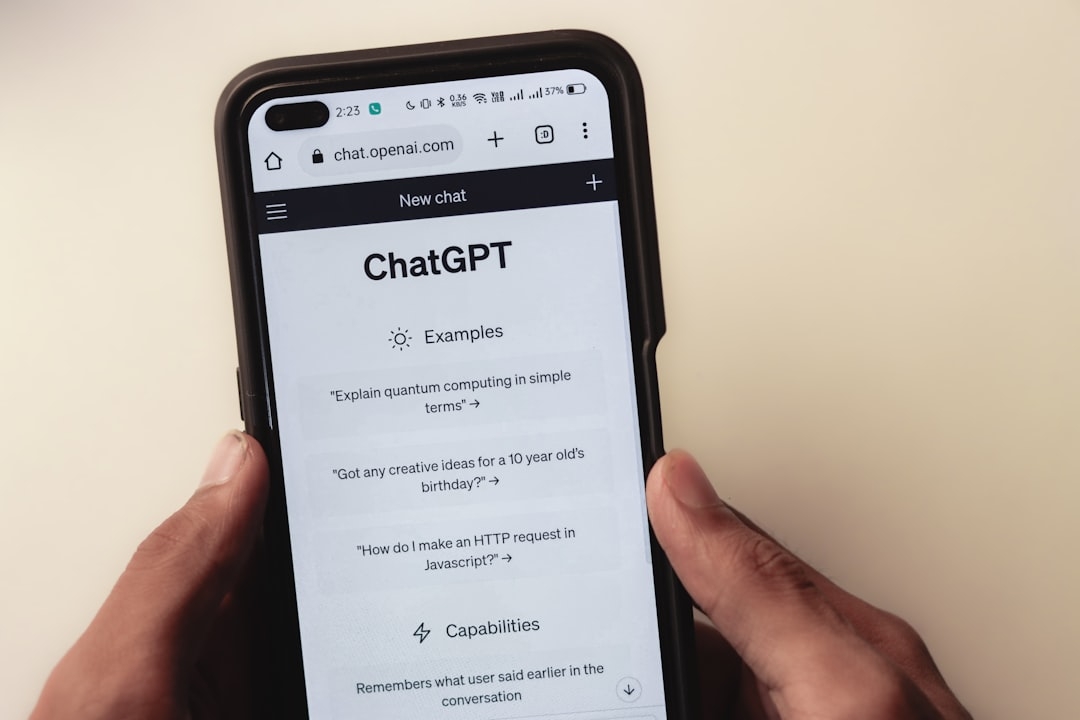
Within 20 minutes, you can experiment by creating a basic chatbot using freely available AI platforms to simulate a mock conversation.
This exercise helps you understand firsthand how chatbot responses depend on training data and prompts, highlighting strengths and blind spots.
Seeing the limits in action will make you more critical and effective when using AI for communication practice at work.
Technical Terms
Glossary terms mentioned in this article







Comments
Be the first to comment
Be the first to comment
Your opinions are valuable to us