
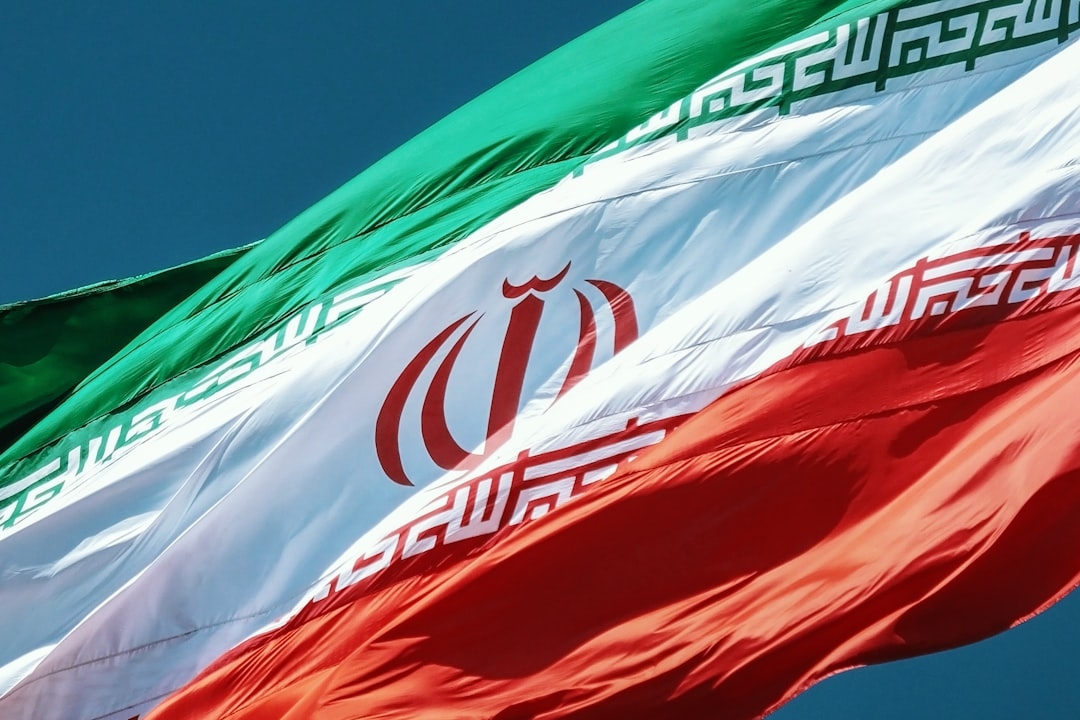
Many assume that oil prices are driven solely by supply and demand, but geopolitical conflicts often play a more decisive role. The recent escalation of war in Iran is a prime example that demonstrates how global tensions can rapidly influence energy costs worldwide.
This article explores how the ongoing conflict in Iran has caused oil prices to rise sharply, especially during a midterm election year when Americans are particularly sensitive to high energy bills. It also examines the role of former President Donald Trump and his potential influence over future price movements.
Why Has the War in Iran Caused a Spike in Oil Prices?
The Middle East is a critical hub for oil production and exports, especially Iran, which sits on some of the world's largest oil reserves. When conflict erupts in this region, it raises concerns about supply disruptions. Traders react by bidding up prices to hedge against potential shortages.
This recent war intensified fears that oil shipments through the Strait of Hormuz—a strategic chokepoint where roughly 20% of the world's oil passes—could be interrupted. Even the threat of closure or attack raises the cost of securing supply, driving prices higher.
What Technical Factors Affect Oil Pricing in Conflict Zones?
Oil futures are contracts that allow buyers to lock in prices for delivery at a later date. During conflict, futures markets become volatile as investors speculate on possible supply risks. Increased demand for futures contracts pushes spot prices upward.
Additionally, geopolitical risk premiums are added. These are extra costs incorporated into prices to compensate for uncertainty. Even if current supply remains stable, markets factor in the possibility of sudden disruptions.
How Will Trump's Decisions Influence Oil Prices?
Former President Donald Trump, known for his influence on energy policy and international relations, has repeatedly indicated that he will play a role in how oil prices are managed. During his tenure, his decisions on sanctions and diplomatic negotiations directly impacted crude prices.
In this midterm year, when energy costs are a hot political topic, Trump's moves could sway prices either up or down. For instance, reimposing sanctions on Iran tends to tighten supply, pushing prices higher. Conversely, easing tensions might stabilize or reduce prices.
Why is This Important During a Midterm Election Year?
High energy bills are a major concern for American voters. In an election year, elevated oil prices can lead to higher gasoline and heating costs, directly affecting household budgets. Politicians closely monitor these trends to align policies and messaging with voter sentiment.
This puts additional pressure on leaders like Trump to either take actions that calm markets or push harder on Iran to reshape geopolitical dynamics—and in turn, influence prices.
What Are the Common Mistakes in Understanding Oil Price Movements?
- Oversimplifying oil pricing as just supply and demand without accounting for political risks and speculation.
- Ignoring the role of geopolitical chokepoints like the Strait of Hormuz in global supply chains.
- Assuming that presidential influence is limited; in reality, executive decisions can have immediate effects.
- Failing to consider how election cycles increase political sensitivity to energy costs.
How Can One Stay Ahead of Oil Price Volatility Triggered by Conflict?
Monitoring news from the Middle East and understanding diplomatic developments is crucial. Additionally, watching futures markets gives insight into investor sentiment.
Energy consumers and businesses should prepare for potential spikes by considering hedging strategies or alternative energy sources, where possible, to reduce exposure.
When Should You Expect Prices to Stabilize?
Oil prices tend to calm when conflicts resolve or when diplomatic agreements ease tensions. However, in protracted conflicts, prices may stay volatile. Having contingencies in place is more reliable than hoping for quick resolutions.
Summary and Next Steps
The war in Iran has already caused a significant rise in oil prices, and decisions by influential leaders like Donald Trump will further impact this volatile market. Recognizing the complex factors behind these price changes helps consumers and businesses anticipate challenges rather than react unexpectedly.
As the midterm elections approach, the intersection of energy prices and politics will intensify. Staying informed and proactive about energy use and financial exposure can better position individuals and organizations against sudden cost increases.
To take a practical step, track daily oil futures prices on financial news platforms and review recent statements by government officials regarding energy policy for the latest insights.
Technical Terms
Glossary terms mentioned in this article













Comments
Be the first to comment
Be the first to comment
Your opinions are valuable to us