
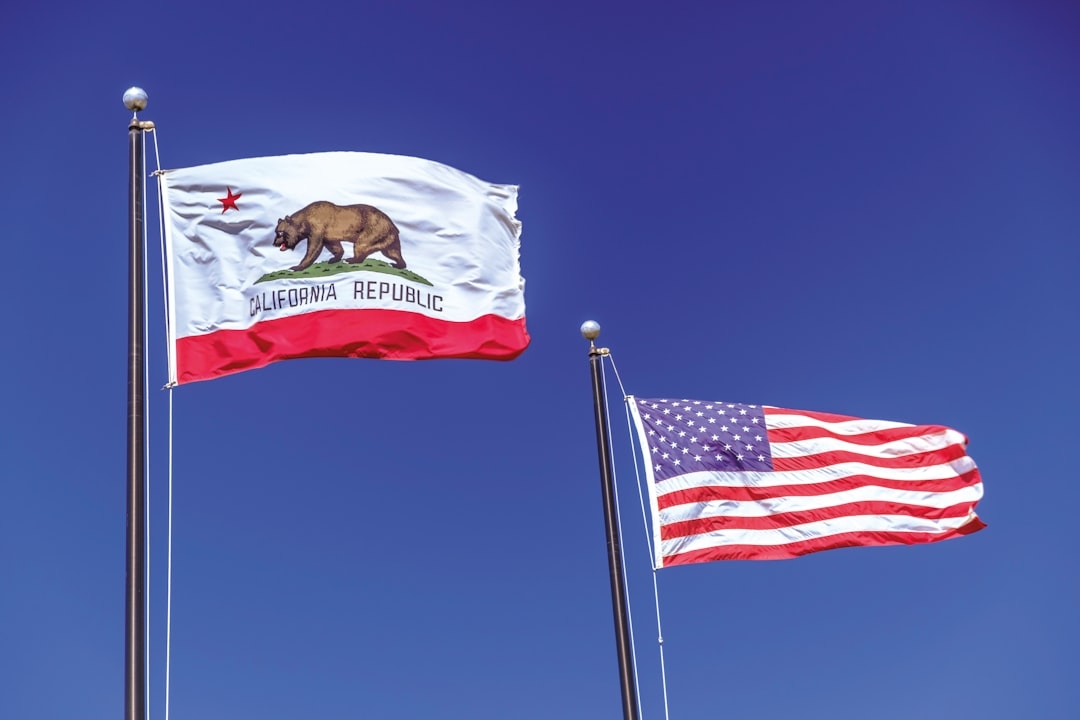
California's proposed wealth tax has stirred intense debate, and now an AI startup founder is taking an unconventional stand by planning a 'March for Billionaires.' This protest aims to challenge what some view as unfair taxation on the ultra-wealthy, highlighting tensions between innovation, economic growth, and social equity.
The idea of taxing billionaires more heavily is not new. However, California's plan introduces a special wealth tax targeting individuals with assets exceeding a very high threshold. This raises critical questions about the effectiveness and fairness of such measures in a state heavily reliant on tech entrepreneurs and investors.
What Is California's Wealth Tax and Why Does It Matter?
The wealth tax proposal targets individuals or households with net worths usually above hundreds of millions of dollars. The goal is to generate revenue to address social needs by taxing assets rather than income.
Unlike income tax, which applies to earnings within a year, a wealth tax imposes a levy on the total value of all assets owned, including stocks, real estate, businesses, and other investments. This method aims to reduce inequality by extracting funds from the ultra-rich who accumulate vast fortunes.
Why Would an AI Startup Founder Oppose This Tax?
From a founder's perspective, heavy taxation on billionaires feels like a threat to innovation ecosystems. California’s Silicon Valley thrives on capital investment, risk-taking, and entrepreneurial freedom. Some argue the wealth tax may discourage risk capital and drive wealthy individuals to relocate, leading to potential economic contraction.
It’s similar to a software environment where you impose a heavy license fee on top developers—many might leave, reducing overall code quality and project innovation. Scaling startups depend heavily on access to capital, and some founders see the wealth tax as punitive rather than productive.
How Does the 'March for Billionaires' Fit Into This?
The planned march is a protest against what organizers call 'punishing success.' It seeks to raise awareness that over-taxing the wealthy could backfire economically rather than solve wealth disparity problems.
Organizers contend that by targeting billionaires, the tax risks damaging job creation, technological advances, and philanthropic efforts that often come from these individuals.
Is Wealth Tax an Effective Tool to Reduce Inequality?
Critics of wealth taxes argue such measures are difficult to enforce, prone to evasion, and may destabilize the economic environment. Valuing complex assets annually, for example, requires sophisticated accounting and can lead to disputes.
Similar wealth taxes in other countries have shown mixed results. Some report capital flight, tax avoidance, and administrative burdens that diminish overall benefits. This raises a significant question: Is the revenue gained worth potential drawbacks?
What Are the Possible Trade-Offs?
- Pros: Additional funds for public programs, potential reduction of inequality
- Cons: Risk of capital flight, deterred investment, administrative complexity
- Uncertainty: The impact on long-term economic growth remains debated
How to Evaluate the Impact in Your Context?
Whether you're a policymaker or business leader, consider:
- Economic profile of the region and mobility of capital
- Administrative capability to monitor and collect the tax
- Potential impact on investment and philanthropic activities
- Stakeholder sentiments including innovators and entrepreneurs
What’s Next For the Wealth Tax Debate?
The 'March for Billionaires' highlights unresolved tensions in tax policy and innovation economy balances. As California heads toward possible implementation, the debate will examine practical ramifications beyond philosophical fairness.
Understanding both the benefits and risks of wealth taxation is critical for sustainable economic policy. The protest is a reminder that policy choices deeply affect those who fuel technological progress and employment.
How Can You Assess Wealth Tax Impacts Quickly?
Apply this quick framework in 10-20 minutes:
- Identify key stakeholders and their mobility
- Estimate potential capital flight based on precedents
- Assess administrative complexity versus projected revenues
- Evaluate potential impacts on innovation and investment
- Form initial judgment on whether benefits outweigh costs
This simple checklist helps clarify if a wealth tax suits your economic environment or could produce unintended harms.
The debate around California’s wealth tax and the resistance sparked by the AI founder’s protest reflects broader concerns. The tension between promoting social equity and maintaining economic dynamism remains unresolved. Only practical, context-sensitive analysis can guide effective policies.
Technical Terms
Glossary terms mentioned in this article














Comments
Be the first to comment
Be the first to comment
Your opinions are valuable to us